Vitamin K1 (Phylloquinone)
INCI: Phylloquinone
Phylloquinone, also known as Vitamin K1, is a fat-soluble vitamin essential for blood clotting and bone health. It is one of the most familiar and commercially understood vitamin actives across EU and US markets. Under EU Regulation 432/2012, Vitamin K carries two authorised health claims: normal blood clotting and maintenance of normal bones.
- bone-health
- heart-health
- daily-wellness
At a glance
- Definition
- Phylloquinone, also known as Vitamin K1, is a fat-soluble vitamin essential for blood clotting and bone health. It is one of the most familiar and commercially understood vitamin actives across EU and US markets. Under EU Regulation 432/2012, Vitamin K carries two authorised health claims: normal blood clotting and maintenance of normal bones.
- Authorised wording (summary)
- 2 authorised statements — see "EU-authorised health claims" below.
- Common positionings
- Bone health support
- Heart health support
- Daily wellness
- Healthy ageing
- Blood clotting support
- Format suitability
- Reviewed for gummies and sachets — confirmed per project.
Where this ingredient fits in the DAT Supply catalogue
Every format chip links through to its manufacturing hub and to the private-label catalogue for that format. The category chip routes to the matching vertical hub on the categories index.
- Vitamins & minerals
- Browse all ingredients
What it is
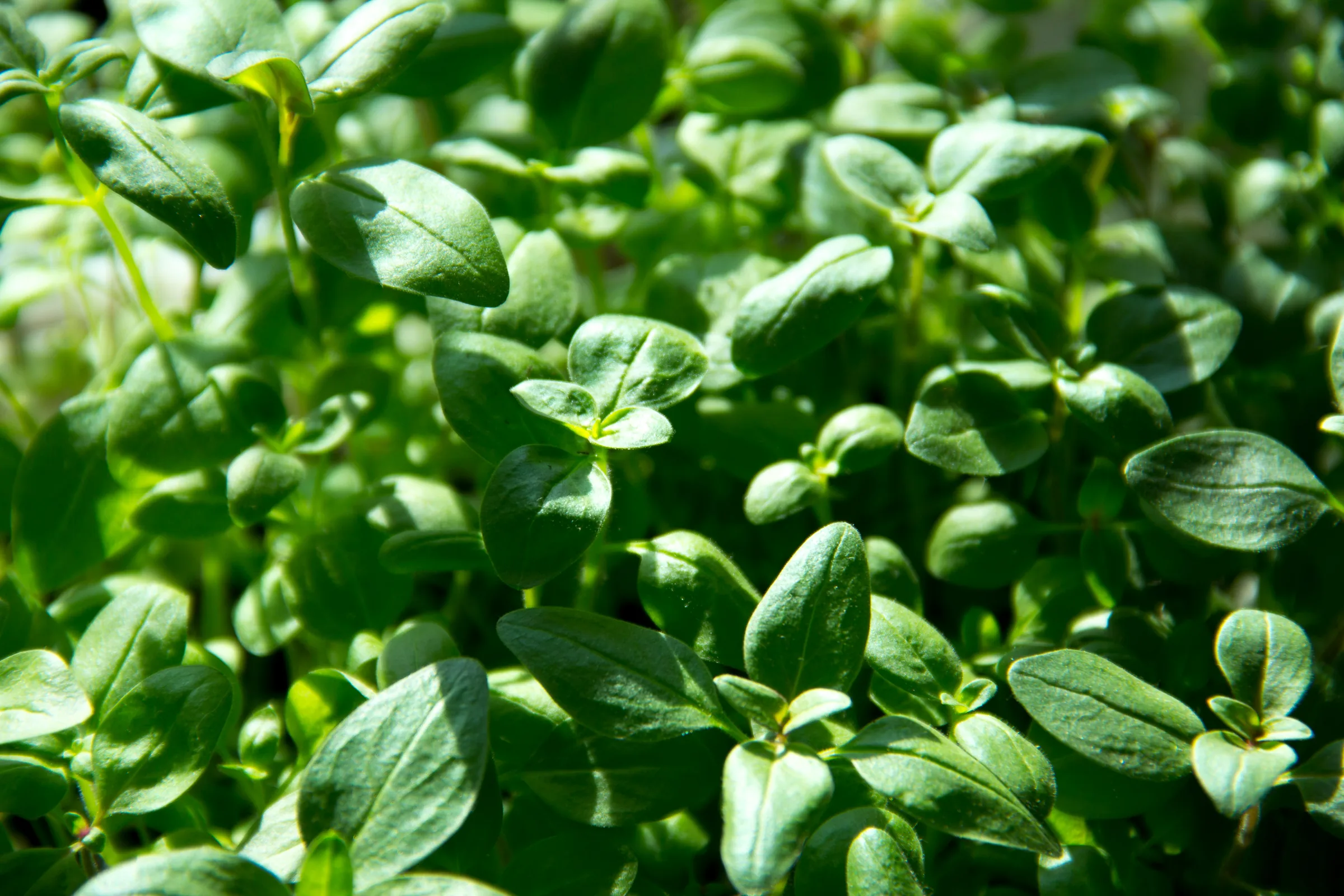
Phylloquinone is the primary dietary form of Vitamin K, found naturally in green leafy vegetables and also produced synthetically for supplementation. It plays a fundamental role in the activation of proteins involved in blood coagulation and bone mineralisation. As a fat-soluble vitamin, it requires dietary fat for optimal absorption, which is relevant when formulating gummies with lipid-based carriers.
Brands choose phylloquinone for its well-established safety profile, low cost, and strong consumer recognition. It is a staple ingredient in bone health and daily wellness formulations, often paired with Vitamin D3 and calcium. Its neutral taste and heat stability make it particularly well-suited for gummy manufacturing.
Origin and history
Vitamin K was discovered in 1929 by Danish scientist Henrik Dam, who identified it as a factor necessary for blood coagulation. The name derives from the German "Koagulationsvitamin." Phylloquinone (Vitamin K1) was isolated from alfalfa in 1939, and its chemical structure was elucidated shortly after. It has been used in dietary supplements since the mid-20th century.
Industrially, phylloquinone is produced through chemical synthesis, typically via condensation of phytol with menadione. The synthetic process yields a product of high purity and consistency, which is essential for supplement manufacturing. It is supplied as a viscous oil, often stabilised with antioxidants and encapsulated for use in gummies and other formats.
Scientific overview
Phylloquinone functions as a cofactor for the enzyme gamma-glutamyl carboxylase, which activates Vitamin K-dependent proteins. The most well-characterised of these are clotting factors (II, VII, IX, X) in the liver and osteocalcin in bone. This dual role explains its two authorised health claims: normal blood clotting and maintenance of normal bones. The body stores limited amounts of Vitamin K, making regular dietary intake important.
Bioavailability of phylloquinone is enhanced when consumed with dietary fat. In gummy formulations, the ingredient is typically dispersed in a lipid carrier to improve absorption. The synthetic form (phytonadione) is bioequivalent to the natural form and is the standard used in supplements. Phylloquinone is stable under normal processing conditions and does not degrade significantly during gummy manufacturing.
From a manufacturing perspective, phylloquinone is heat-stable and soluble in the lipid phase of gummy formulations. It does not require special handling beyond standard good manufacturing practices. Its low cost per serving makes it an economical choice for mass-market formulations. The ingredient is compatible with most common gummy excipients and does not interact negatively with other vitamins at typical use levels.
Why brands use Vitamin K1 (Phylloquinone)
Phylloquinone is a cost-effective and well-recognised ingredient for bone health and daily wellness gummies. Consumer awareness of Vitamin K is high, particularly in the context of bone health alongside Vitamin D and calcium. The ingredient's neutral taste and heat stability make it straightforward to formulate into gummies without flavour masking or stability concerns. Brands targeting older demographics or women's health frequently include phylloquinone in their formulations.
From a formulation perspective, phylloquinone is one of the easiest vitamins to incorporate into gummies. It does not degrade under heat, has no significant taste issues, and is soluble in the lipid phase. The main consideration is ensuring homogeneous distribution throughout the gummy batch, which is achieved through standard emulsification techniques. Cost is minimal, allowing brands to include meaningful doses without impacting margin.
Pack copy must be disciplined. Only the two EFSA-authorised claims are permitted on EU labels: "Vitamin K contributes to normal blood clotting" and "Vitamin K contributes to the maintenance of normal bones." No disease claims are allowed. Certification status (vegan, kosher, halal) depends on the selected raw material and supplier documentation. DAT confirms certification status per project and batch before final label claims. Shelf-life claims are confirmed per project with stability data.
Formats this ingredient is reviewed for
DAT Supply covers gummy, capsule, softgel, tablet, powder, oral strip, liquid drop, shot, jelly and pet formats. The list below reflects every format this ingredient is reviewed for — chips link through to the manufacturing hub for each format. Final compatibility, dose and matrix are confirmed per project.
Formulation notes
Verified formulation reference across the formats this ingredient is reviewed for — the Supported formats section lists every product format this active is approved for, and the per-format Considerations section below covers matrix-specific guidance. Final formulation, dose and on-pack copy are confirmed per project.
- Gummy fit
- Good
- Heat stable
- Yes
- Soluble in matrix
- Yes
- Cost tier
- Low
Forms available
- Phylloquinone (Vitamin K1), Phytonadione
Dosage reference
EU NRV for Vitamin K is 75 µg. Brand positioning typically ranges from 25–100 µg per serving. Claim thresholds depend on co-formulated nutrients.
Taste & sensory
Neutral to mild taste at supplement doses.
Manufacturing notes
No specific formulation notes. Standard processing applies.
Per-format formulation notes
Safe-baseline considerations for each format this ingredient is reviewed for. Final formulation, dose and on-pack copy are confirmed per project.
Gummies
- Taste masking and aroma load against the cooked-base flavour — confirmed per project.
- Heat exposure during cooking; coated or encapsulated forms may be required — confirmed per project.
- Matrix choice (pectin vs gelatin) and its effect on ingredient stability — confirmed per project.
- Per-gummy dose and serving count needed to hit the label claim — confirmed per project.
Sachets
- Powder flow and dose accuracy at single-serve sachet weights — confirmed per project.
- Barrier requirements (oxygen, moisture) for the active — confirmed per project.
- Reconstitution behaviour when the sachet is dosed into water — confirmed per project.
EU-authorised health claims
- Vitamin K contributes to normal blood clotting.Reg. (EU) 432/2012
- Vitamin K contributes to the maintenance of normal bones.Reg. (EU) 432/2012
Authorised at ≥15% NRV per daily serving. Claim wording must appear verbatim on consumer packaging. DAT reviews final pack copy per project against EU 1924/2006 and the authorised list under EU 432/2012.
Phylloquinone (Vitamin K1) is an authorised vitamin under EU Regulation 1925/2006. Two EFSA-authorised claims are available under Reg. 432/2012. No other health claims are permitted for this ingredient alone. DAT reviews claim wording per project to ensure compliance.
Studies & evidence
External peer-reviewed sources and regulatory opinions. Citations only — DAT does not endorse the publishers.
EFSA Panel on Dietetic Products, Nutrition and Allergies (NDA)·EFSA Journal·2009
EFSA Panel on Dietetic Products, Nutrition and Allergies (NDA)·EFSA Journal·2009
Vermeer C, Schurgers LJ·Journal of Nutrition·2000
Geleijnse JM, Vermeer C, Grobbee DE, et al.·Journal of Nutrition·2004
Booth SL, Tucker KL, Chen H, et al.·American Journal of Clinical Nutrition·2003
Synergies & conflicts
Pairs well with
Synergy data needs review.
Care when combining with
Conflict data needs review.
Similar ingredients
Ingredients that frequently sit alongside this one in private-label supplement briefs.

Beta-Carotene
Beta-Carotene is a carotenoid pigment and provitamin A nutrient found in orange and yellow fruits and vegetables. In the body it is converted to retinol (Vitamin A) as needed. Under EU Regulation 432/2012, Vitamin A from Beta-Carotene carries authorised claims for maintenance of normal vision, skin, immune function, and mucous membranes. It is one of the most familiar and commercially understood gummy actives across EU and US markets.
dl-Alpha-Tocopheryl Acetate
Dl-Alpha-Tocopheryl Acetate is used in private-label supplement manufacturing. Sourcing, dose anchors and target-market documentation are reviewed per project.

Vitamin K2 (MK-7)
Menaquinone-7 (MK-7) is a form of Vitamin K2, a fat-soluble vitamin that supports normal blood clotting and the maintenance of normal bones. It is one of the most familiar and commercially understood gummy actives across EU and US markets. Under EU Regulation 432/2012, Vitamin K carries two authorised health claims: contribution to normal blood clotting and maintenance of normal bones.
Adjacent reading
Pairings, resource guides and blog notes most often associated with Vitamin K1 (Phylloquinone) on DAT Supply briefs.
Common pairings
Ingredients that frequently co-formulate with Vitamin K1 (Phylloquinone).
Develop a formula featuring Vitamin K1 (Phylloquinone)
Explore concepts already built around this ingredient, or talk to our team to scope a custom formulation.