L-Carnitine Tartrate
L-Carnitine Tartrate is a synthesised amino acid compound that supports the transport of fatty acids into mitochondria for energy production. It is one of the most familiar and commercially understood gummy actives across EU and US markets. No authorised EU health claims exist for L-Carnitine under Reg. 432/2012; brands typically position via co-formulated nutrients or non-claim energy/sports recovery messaging.
- energy
- sports-recovery
- healthy-ageing
At a glance
- Definition
- L-Carnitine Tartrate is a synthesised amino acid compound that supports the transport of fatty acids into mitochondria for energy production. It is one of the most familiar and commercially understood gummy actives across EU and US markets. No authorised EU health claims exist for L-Carnitine under Reg. 432/2012; brands typically position via co-formulated nutrients or non-claim energy/sports recovery messaging.
- Common positionings
- energy metabolism
- sports recovery
- healthy ageing
- cognitive energy
- weight management support
- Format suitability
- Reviewed for gummies and sachets — confirmed per project.
Where this ingredient fits in the DAT Supply catalogue
Every format chip links through to its manufacturing hub and to the private-label catalogue for that format. The category chip routes to the matching vertical hub on the categories index.
- Sports nutrition
- Browse all ingredients
What it is
L-Carnitine Tartrate is a synthesised form of the amino acid L-Carnitine, produced by combining L-Carnitine with tartaric acid. It plays a central role in cellular energy metabolism by shuttling long-chain fatty acids across the mitochondrial membrane, where they are oxidised to produce ATP. This makes it a well-known ingredient in sports nutrition, energy support, and healthy ageing product categories.
Brands use L-Carnitine Tartrate in gummy formats because it is heat-stable, soluble, and has a good sensory profile when properly masked. It is one of the most familiar and commercially understood gummy actives across EU and US markets, with strong consumer awareness in the sports and active lifestyle segment. Its mid-cost tier makes it accessible for both white-label and custom development projects.
Origin and history
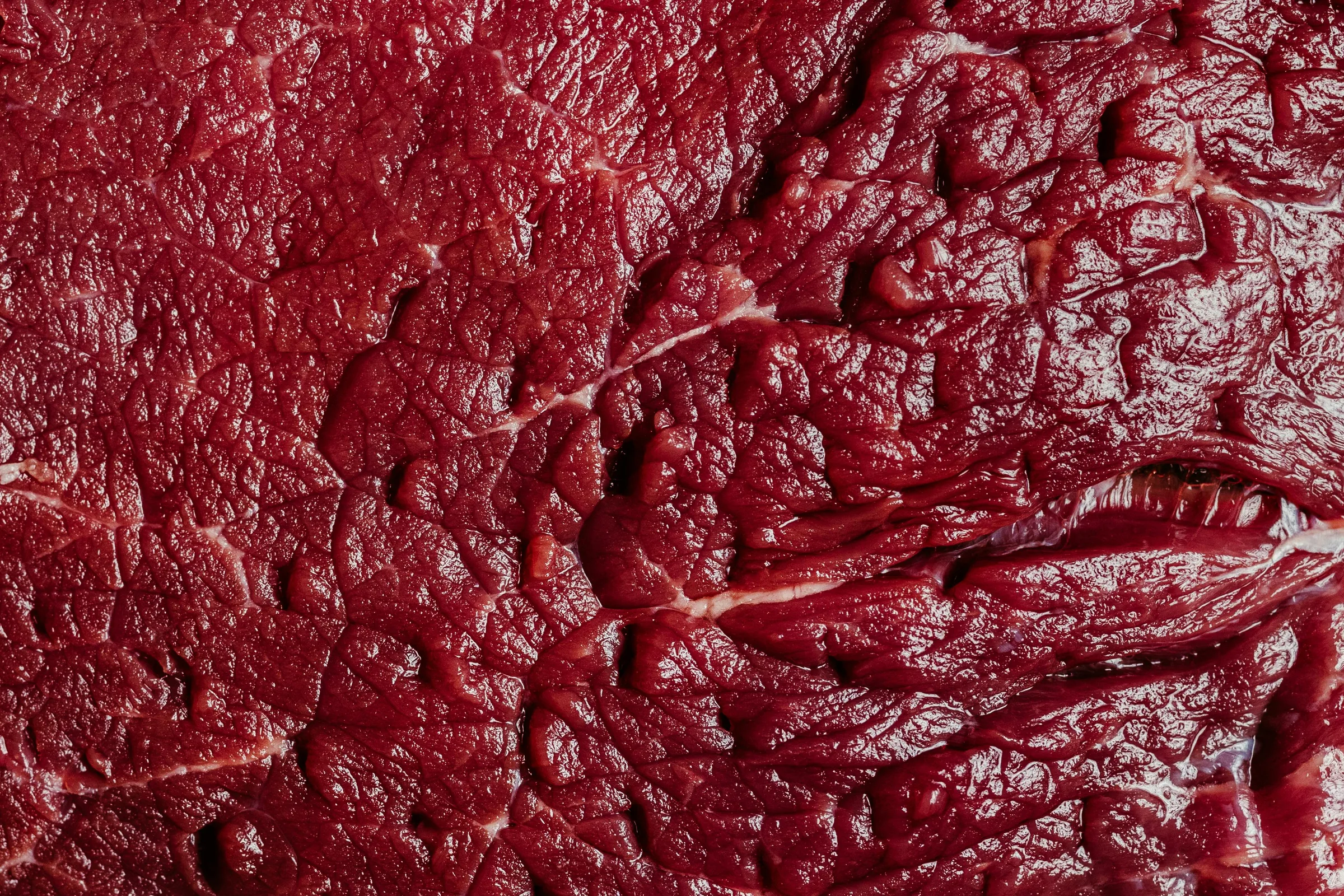
L-Carnitine was first isolated from meat extracts in 1905 by Russian chemists Gulewitsch and Krimberg. The name derives from the Latin "carnus" (flesh), reflecting its natural abundance in red meat. The L-isomer is the biologically active form, and L-Carnitine Tartrate is the most common salt form used in dietary supplements due to its stability and solubility.
Industrial production of L-Carnitine Tartrate is achieved through chemical synthesis or fermentation, with the tartrate salt formed by reacting L-Carnitine with L-tartaric acid. The manufacturing process yields a white crystalline powder that is odourless and stable under standard conditions. DAT sources L-Carnitine Tartrate from qualified suppliers with full traceability documentation.
Scientific overview
L-Carnitine functions as a carrier molecule in the mitochondrial membrane, facilitating the transport of activated long-chain fatty acids into the mitochondrial matrix for beta-oxidation. This process is essential for energy production from fat stores, particularly during exercise and periods of increased metabolic demand. The body synthesises L-Carnitine from lysine and methionine, but dietary intake and supplementation can support optimal levels.
Bioavailability of L-Carnitine Tartrate is well-established, with absorption occurring primarily in the small intestine via active transport. The tartrate salt form offers improved stability and solubility compared to the free base, making it suitable for gummy formulations. Doses typically range from 500 mg to 3000 mg per serving, with higher doses associated with the fishy odour note from trimethylamine production.
Manufacturing watchpoints include the slight fishy/meat-like taste that requires masking in gummy formats. Heat stability is good, and solubility in gummy matrices is acceptable, though payload constraints per gummy weight must be considered. The mid-cost tier means it is economical for mass-market positioning but requires careful formulation to maintain sensory quality.
Why brands use L-Carnitine Tartrate
L-Carnitine Tartrate occupies a strong position in the sports nutrition and active lifestyle segment, where consumer awareness is high. It is one of the most familiar and commercially understood gummy actives across EU and US markets, with established demand in energy, recovery, and weight management categories. Brands use it to differentiate their gummy ranges from standard multivitamin offerings, targeting fitness-conscious consumers who prefer gummy formats over capsules or powders.
From a formulation perspective, L-Carnitine Tartrate is heat-stable and soluble, making it practical for gummy manufacturing. The main challenge is the slight fishy/meat-like taste, which requires effective masking through fruit flavours and sweetener systems. Payload constraints mean that achieving the typical 500–1000 mg dose per serving may require multiple gummies or larger gummy weights. DAT reviews formulation feasibility per project.
Pack-copy guidance: L-Carnitine has no authorised EU health claims under Reg. 432/2012. Brands should position via co-formulated nutrients such as Vitamin B6, B12, or Magnesium for energy-yielding metabolism claims, or use non-claim brand messaging around energy support and sports recovery. No disease claims are permitted. DAT reviews claim strategy and compliance per project.
Formats this ingredient is reviewed for
DAT Supply covers gummy, capsule, softgel, tablet, powder, oral strip, liquid drop, shot, jelly and pet formats. The list below reflects every format this ingredient is reviewed for — chips link through to the manufacturing hub for each format. Final compatibility, dose and matrix are confirmed per project.
Formulation notes
Verified formulation reference across the formats this ingredient is reviewed for — the Supported formats section lists every product format this active is approved for, and the per-format Considerations section below covers matrix-specific guidance. Final formulation, dose and on-pack copy are confirmed per project.
- Gummy fit
- Good
- Heat stable
- Yes
- Soluble in matrix
- Yes
- Cost tier
- Medium
Forms available
- L-Carnitine Tartrate (powder), L-Carnitine Base, Acetyl-L-Carnitine
Dosage reference
No EU NRV established for L-Carnitine. Brand positioning typically ranges from 500 mg to 3000 mg per serving. DAT confirms final dosage per project based on target market and claim strategy.
Taste & sensory
Slight fishy/meat-like taste. Masking strategies required in gummy formats — fruit flavours and sweetener systems help offset.
Manufacturing notes
Gummy-optimised dosing; check payload constraints per gummy weight. Typical gummy weight of 2.5–4 g limits maximum mg per piece. DAT reviews per project.
Per-format formulation notes
Safe-baseline considerations for each format this ingredient is reviewed for. Final formulation, dose and on-pack copy are confirmed per project.
Gummies
- Taste masking and aroma load against the cooked-base flavour — confirmed per project.
- Heat exposure during cooking; coated or encapsulated forms may be required — confirmed per project.
- Matrix choice (pectin vs gelatin) and its effect on ingredient stability — confirmed per project.
- Per-gummy dose and serving count needed to hit the label claim — confirmed per project.
Sachets
- Powder flow and dose accuracy at single-serve sachet weights — confirmed per project.
- Barrier requirements (oxygen, moisture) for the active — confirmed per project.
- Reconstitution behaviour when the sachet is dosed into water — confirmed per project.
EU-authorised health claims
EU-authorised wording for this ingredient is reviewed per project against Reg. 1924/2006 and the authorised list under Reg. 432/2012. No final claim wording is implied by this page.
Authorised at ≥15% NRV per daily serving. Claim wording must appear verbatim on consumer packaging. DAT reviews final pack copy per project against EU 1924/2006 and the authorised list under EU 432/2012.
L-Carnitine Tartrate is a permitted food ingredient in the EU under Regulation (EC) 1333/2008. No specific health claims are authorised under Reg. 432/2012. Brands should position via co-formulated nutrients with authorised claims or use non-claim brand messaging. DAT reviews claim strategy per project.
Studies & evidence
External peer-reviewed sources and regulatory opinions. Citations only — DAT does not endorse the publishers.
Karlic H, Lohninger A·Nutrition·2004
Longo N, Frigeni M, Pasquali M·Journal of Inherited Metabolic Disease·2016
Fielding R, Riede L, Lugo JP, Bellamine A·Nutrients·2018
Hathcock JN, Shao A·Regulatory Toxicology and Pharmacology·2006
EFSA Panel on Dietetic Products, Nutrition and Allergies (NDA)·EFSA Journal·2011
Product concepts featuring L-Carnitine Tartrate
Private-label product concepts where L-Carnitine Tartrate appears in the formula. Each opens to a product brief and quote route.
Synergies & conflicts
Pairs well with
Pairs well with CoQ10 for mitochondrial support, Ginseng for energy, and Cordyceps for endurance positioning.
Care when combining with
Mild GI upset possible at higher doses. Trimethylamine (fishy odour) can occur at doses above 2000 mg. Injectable form available for severe deficiency but not relevant for oral gummy formats.
Similar ingredients
Ingredients that frequently sit alongside this one in private-label supplement briefs.

Beta-Alanine
Beta-Alanine is a non-essential amino acid used in sports nutrition to support high-intensity exercise performance by buffering muscle acidity. It is one of the most familiar and commercially understood sports nutrition actives across EU and US markets. No EFSA-authorised health claims exist under Reg. (EU) 432/2012; claim coverage relies on co-formulated nutrients such as Magnesium or Vitamin B6.

Creatine Monohydrate
Creatine Monohydrate is used in private-label supplement manufacturing. Sourcing, dose anchors and target-market documentation are reviewed per project.

Echinacea Extract
Echinacea extract is a botanical ingredient derived from Echinacea purpurea, traditionally used in herbal wellness formulations. It is one of the most familiar and commercially understood herbal actives across EU and US markets. As a botanical on the EFSA on-hold list, it carries no authorised EU health claims under Reg. 432/2012, so brands typically position it around traditional use or co-formulate with nutrients that have authorised claims.
GABA
GABA (gamma-aminobutyric acid) is an amino acid that functions as the primary inhibitory neurotransmitter in the central nervous system. In gummy supplements, it is positioned for relaxation, calm, and sleep support. GABA has no authorised health claims under EU Regulation 432/2012; brands typically rely on co-formulated nutrients for claim coverage.

L-Arginine HCl
L-Arginine HCl is a semi-essential amino acid commonly used in sports nutrition and cardiovascular wellness gummies. It serves as a precursor to nitric oxide, supporting blood flow and nutrient delivery. In the EU, L-Arginine has no authorised health claims under Reg. (EU) 432/2012, so brands typically co-formulate with nutrients like Vitamin C or Magnesium to support authorised positioning.
L-Citrulline
L-Citrulline is a non-essential amino acid involved in the urea cycle and nitric oxide production. It is one of the most familiar and commercially understood amino acids for sports performance across EU and US markets. No EFSA-authorised health claims exist under Reg. (EU) 432/2012; brands typically position around general exercise support and nitric oxide pathways.
Adjacent reading
Pairings, resource guides and blog notes most often associated with L-Carnitine Tartrate on DAT Supply briefs.
Develop a formula featuring L-Carnitine Tartrate
A ready white-label formula exists — open a product brief, or talk to our team to align the launch plan.