Spirulina
Spirulina is a blue-green algae (Arthrospira platensis) used as a wholefood ingredient in dietary supplements. It provides plant-based protein, natural colour, and antioxidant nutrients. Spirulina has no EFSA-authorised health claims under Reg. 432/2012; brands position it around wholefood nutrition and natural colour.
- plant-based protein
- natural colour
- antioxidant support
At a glance
- Definition
- Spirulina is a blue-green algae (Arthrospira platensis) used as a wholefood ingredient in dietary supplements. It provides plant-based protein, natural colour, and antioxidant nutrients. Spirulina has no EFSA-authorised health claims under Reg. 432/2012; brands position it around wholefood nutrition and natural colour.
- Common positionings
- daily greens
- plant-based nutrition
- natural energy
- detox support
- wholefood nutrition
- Format suitability
- Reviewed for gummies and sachets — confirmed per project.
Where this ingredient fits in the DAT Supply catalogue
Every format chip links through to its manufacturing hub and to the private-label catalogue for that format. The category chip routes to the matching vertical hub on the categories index.
- Botanicals & mushrooms
- Browse all ingredients
What it is
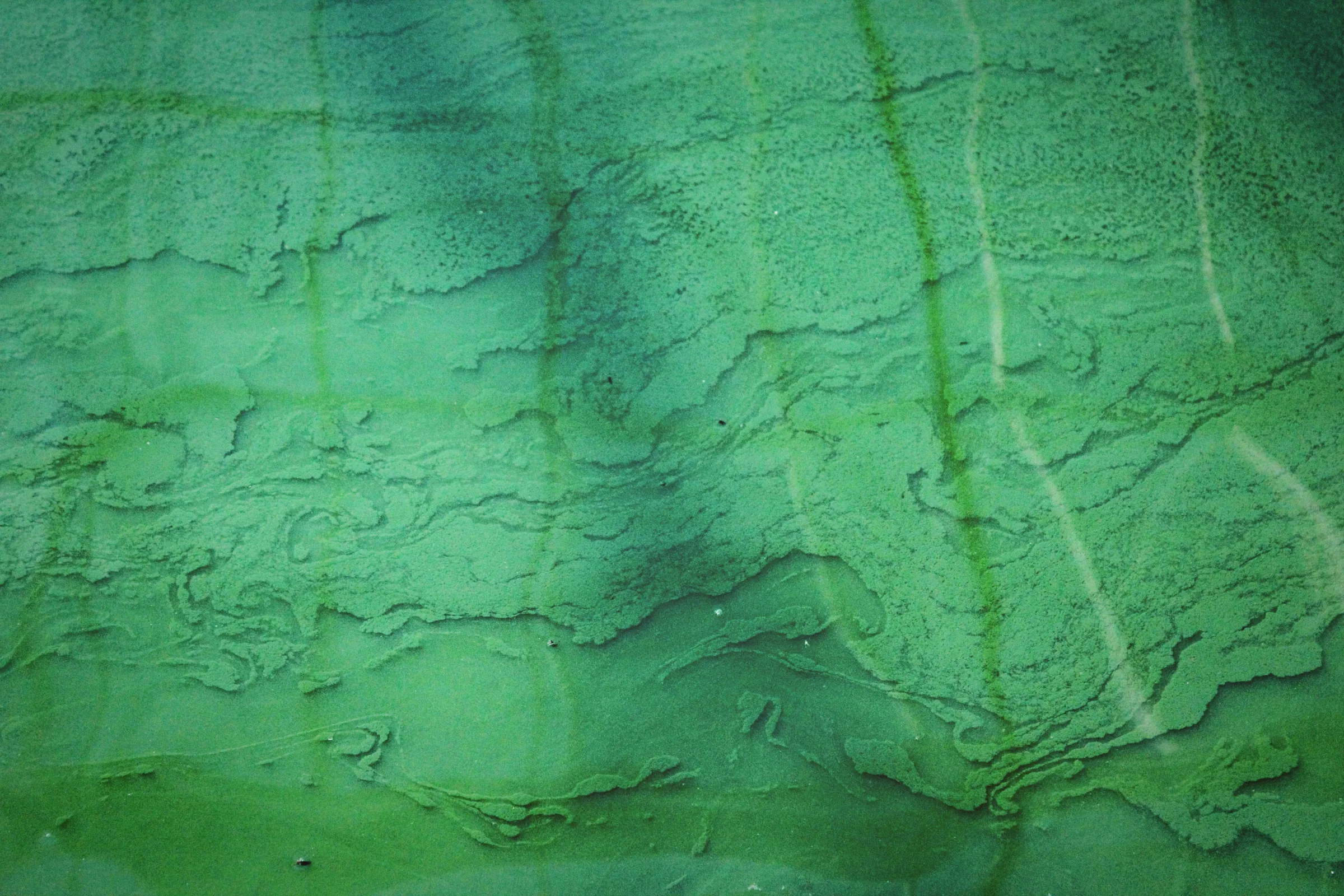
Spirulina is a cyanobacterium, commonly referred to as blue-green algae, that grows naturally in alkaline lakes and is cultivated commercially for dietary supplements. It is one of the most nutrient-dense wholefood ingredients available, containing protein, B vitamins, iron, and phycocyanin — the pigment that gives it its distinctive blue-green colour. Spirulina is typically sold as a powder or tablet and is increasingly used in gummy and sachet formats for brands targeting the daily greens and plant-based nutrition segments.
Brands use Spirulina to differentiate their gummy ranges with a wholefood, natural ingredient that signals "green" nutrition. It is particularly popular in detox, energy, and general wellness positionings. Because Spirulina has no EFSA-authorised health claims, brands typically pair it with co-formulated nutrients such as Vitamin C or iron to deliver claimable benefits, or position it around its natural colour and wholefood credentials.
Origin and history
Spirulina has been consumed by humans for centuries, with historical records showing its use by the Aztecs in Mexico and by populations around Lake Chad in Africa. It was harvested from natural alkaline lakes and dried into cakes for consumption. Modern commercial cultivation began in the 1970s, with large-scale production facilities established in the United States, China, India, and other countries.
Today, Spirulina is produced in controlled open-pond or closed-photobioreactor systems. The algae is harvested, washed, and dried — typically by spray-drying or freeze-drying — to preserve its nutrient content. The resulting powder is used directly in supplements or as a natural colourant in foods and beverages. Industrial production allows for consistent quality and nutrient profiles, though taste and odour remain formulation challenges.
Scientific overview
Spirulina contains approximately 60-70% protein by dry weight, along with B vitamins (particularly B12), iron, and the antioxidant pigment phycocyanin. Phycocyanin is responsible for Spirulina's blue colour and has been studied for its antioxidant properties. The protein content includes all essential amino acids, making Spirulina a complete plant-based protein source. Iron in Spirulina is present in a form that is more bioavailable than many other plant sources.
Bioavailability of Spirulina's nutrients is generally good when consumed as a wholefood, though the cell wall of the algae must be broken down during processing to release nutrients. Spray-dried and freeze-dried powders have higher bioavailability than sun-dried forms. The phycocyanin content is sensitive to heat and light, so processing conditions must be controlled to preserve colour and antioxidant activity.
From a manufacturing perspective, Spirulina presents significant challenges in gummy formats. The minimum effective dose for general wellness positioning is 1500 mg, which requires 4-6 gummies at typical gummy weights. The strong algae taste is very difficult to mask, requiring significant flavouring and sweetener systems. Sachet formats are often preferred for higher doses, as the powder can be mixed into water or smoothies without the taste challenges of gummies. Spirulina is heat-stable and soluble in gummy matrices, but the payload and taste issues make it impractical for single-gummy delivery at therapeutic levels.
Why brands use Spirulina
Spirulina is one of the most familiar and commercially understood wholefood ingredients across EU and US markets. Brands use it to create a "green" positioning that signals natural, plant-based nutrition. It is particularly popular in daily greens blends, detox programmes, and plant-based protein ranges. The natural blue-green colour also allows brands to create visually distinctive gummies without artificial colours, appealing to the clean-label consumer.
From a formulation and manufacturing perspective, Spirulina is heat-stable and soluble in gummy matrices, which are positive attributes. However, the high dosage required for meaningful nutrient delivery (1500 mg minimum) means that a single gummy cannot deliver a therapeutic dose. Brands typically use Spirulina as part of a multi-gummy serving or in combination with other greens ingredients. The strong algae taste requires significant investment in flavouring systems — tropical fruit flavours, mint, or citrus are commonly used to mask the taste. Sachet formats are often more practical for higher Spirulina doses.
For pack copy, brands should position Spirulina around wholefood nutrition, natural colour, and plant-based protein. No disease claims are permitted. Spirulina has no EFSA-authorised health claims, so any health-related copy must come from co-formulated nutrients. DAT reviews claim wording per project to ensure compliance with EU and UK regulations. Certification status (vegan, kosher, halal, organic) depends on the selected raw material and supplier documentation. DAT confirms certification status per project and batch before final label claims. DAT confirms final shelf-life claims per project with stability data.
Formats this ingredient is reviewed for
DAT Supply covers gummy, capsule, softgel, tablet, powder, oral strip, liquid drop, shot, jelly and pet formats. The list below reflects every format this ingredient is reviewed for — chips link through to the manufacturing hub for each format. Final compatibility, dose and matrix are confirmed per project.
Formulation notes
Verified formulation reference across the formats this ingredient is reviewed for — the Supported formats section lists every product format this active is approved for, and the per-format Considerations section below covers matrix-specific guidance. Final formulation, dose and on-pack copy are confirmed per project.
- Gummy fit
- Impractical
- Heat stable
- Yes
- Soluble in matrix
- Yes
- Cost tier
- Medium
Forms available
- powder
- whole algae
- spray-dried
Dosage reference
EU NRV not established for Spirulina as a whole food. Brand positioning typically ranges from 500 mg to 3000 mg per serving. Minimum effective dose for general wellness positioning is 1500 mg.
Taste & sensory
Algae strong taste. VERY difficult to mask. Requires significant flavouring and sweetener systems.
Manufacturing notes
Gummy-optimized dosing and format considerations. High dosage requirements make single-gummy delivery impractical for therapeutic levels. Sachet format preferred for higher doses.
Per-format formulation notes
Safe-baseline considerations for each format this ingredient is reviewed for. Final formulation, dose and on-pack copy are confirmed per project.
Gummies
- Taste masking and aroma load against the cooked-base flavour — confirmed per project.
- Heat exposure during cooking; coated or encapsulated forms may be required — confirmed per project.
- Matrix choice (pectin vs gelatin) and its effect on ingredient stability — confirmed per project.
- Per-gummy dose and serving count needed to hit the label claim — confirmed per project.
Sachets
- Powder flow and dose accuracy at single-serve sachet weights — confirmed per project.
- Barrier requirements (oxygen, moisture) for the active — confirmed per project.
- Reconstitution behaviour when the sachet is dosed into water — confirmed per project.
EU-authorised health claims
EU-authorised wording for this ingredient is reviewed per project against Reg. 1924/2006 and the authorised list under Reg. 432/2012. No final claim wording is implied by this page.
Authorised at ≥15% NRV per daily serving. Claim wording must appear verbatim on consumer packaging. DAT reviews final pack copy per project against EU 1924/2006 and the authorised list under EU 432/2012.
Spirulina is a whole food ingredient with no EFSA-authorised health claims. Brands should position around wholefood nutrition, natural colour, or plant-based protein. Any health claims must be delivered via co-formulated nutrients with authorised claims. DAT reviews claim wording per project.
Studies & evidence
External peer-reviewed sources and regulatory opinions. Citations only — DAT does not endorse the publishers.
Karkos, P.D., Leong, S.C., Karkos, C.D., Sivaji, N., Assimakopoulos, D.A.·Evidence-Based Complementary and Alternative Medicine·2011
Romay, C., González, R., Ledón, N., Remirez, D., Rimbau, V.·Current Protein & Peptide Science·2003
Wells, M.L., Potin, P., Craigie, J.S., Raven, J.A., Merchant, S.S., Helliwell, K.E., Smith, A.G., Camire, M.E., Brawley, S.H.·Journal of Applied Phycology·2017
Belay, A., Ota, Y., Miyakawa, K., Shimamatsu, H.·Regulatory Toxicology and Pharmacology·1993
García-Casal, M.N., Leets, I., Layrisse, M.·Journal of Nutrition·2003
Product concepts featuring Spirulina
Private-label product concepts where Spirulina appears in the formula. Each opens to a product brief and quote route.
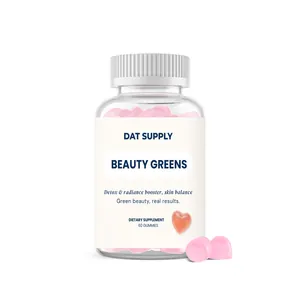
Beauty Greens Gummies
Beauty Greens Gummies is a white-label pectin-gummy supplement concept for brands building a beauty & skin range. Final positioning, claims and documentation are reviewed per project and target market.

Greens & Superfruits Fibre Pack Sachets
Greens & Superfruits Fibre Pack Sachets is a white-label sachet-based supplement concept for brands building a digestive & gut range. Final positioning, claims and documentation are reviewed per project and target market.
Greens & Superfruits + Mushrooms Pack Sachets
Greens & Superfruits + Mushrooms Pack Sachets is a white-label sachet-based supplement concept for brands building a digestive & gut range. Final positioning, claims and documentation are reviewed per project and target market.
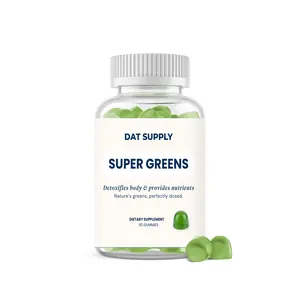
Super Greens Gummies
Super Greens Gummies is a white-label pectin-gummy supplement concept for brands building a digestive & gut range. Final positioning, claims and documentation are reviewed per project and target market.
Synergies & conflicts
Pairs well with
Pairs with Chlorella (detox positioning), Vitamin C (nutrient absorption support)
Care when combining with
Payload challenge: 2-3 g requires 4-6 gummies. Taste extremely challenging.
Similar ingredients
Ingredients that frequently sit alongside this one in private-label supplement briefs.
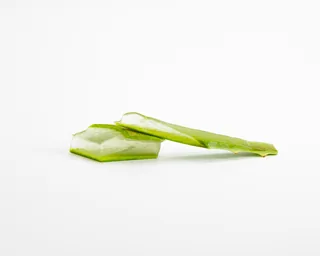
Aloe Vera
Aloe Vera (Aloe barbadensis) is a succulent plant whose inner gel is used in food supplements for its hydrating and soothing properties. As a botanical on the EU on-hold list, it carries no authorised health claims under Reg. 432/2012. Brands typically position it around general wellness, digestive comfort, and skin hydration, often co-formulated with Vitamin C or probiotics for claim support.
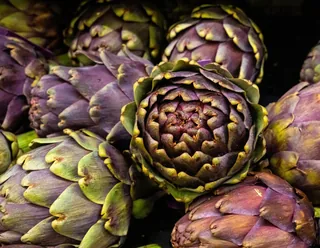
Artichoke
Artichoke (Cynara scolymus) is a botanical ingredient used in dietary supplements for its traditional association with digestive and liver function. It is one of the most familiar and commercially understood botanical actives across EU and US markets. As a botanical on the EU on-hold list, no authorised health claims are currently permitted under Reg. 432/2012.
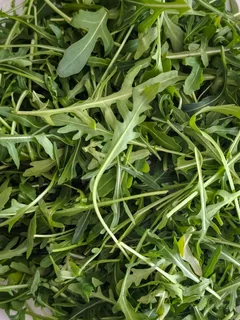
Arugula Extract
Arugula extract is a botanical ingredient derived from Eruca sativa leaves, used in gummy and sachet formats for green superfood and daily wellness positioning. It is a botanical on the EFSA on-hold list with no authorised health claims under Reg. (EU) 432/2012. Any claim coverage must come from co-formulated nutrients.
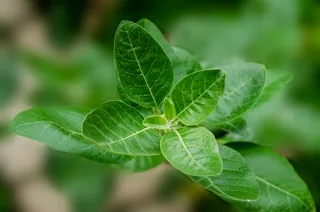
Ashwagandha
Ashwagandha (Withania somnifera) is a traditional Ayurvedic root used historically for stress, vitality, and sleep. In gummy formats it is most commonly positioned within stress-and-calm or sleep stacks. Ashwagandha sits on the EFSA "on-hold" list of botanical claims, with no authorised EU health claims of its own; substantiated claim wording in Ashwagandha gummies typically derives from co- formulated nutrients such as Magnesium and Vitamin B6.
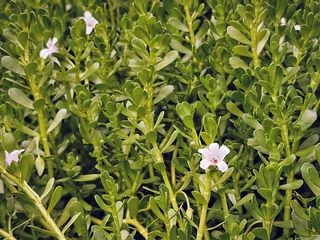
Bacopa Extract
Bacopa Extract (Bacopa monnieri) is a botanical ingredient traditionally used in Ayurvedic wellness systems. In private-label gummy manufacturing, it is positioned for cognitive support, memory, and stress resilience. Bacopa has no EFSA-authorised health claims under Reg. 432/2012; claim coverage for cognitive function relies on co-formulated nutrients such as Vitamin B6, B12, or Iron.
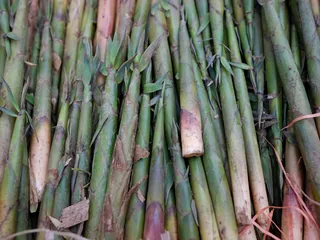
Bamboo Extract
Bamboo extract is a plant-derived ingredient standardised for silica content, sourced from Bambusa vulgaris. It is used in gummy and sachet formulations as a natural source of silicon, a mineral involved in connective tissue structure. Under EU Regulation 432/2012, bamboo extract carries no authorised health claims; brands typically co-formulate with Biotin, Zinc, or Vitamin C for hair, skin, and nails positioning.
Adjacent reading
Pairings, resource guides and blog notes most often associated with Spirulina on DAT Supply briefs.
Develop a formula featuring Spirulina
A ready white-label formula exists — open a product brief, or talk to our team to align the launch plan.