Private-label supplement launch guide for Malta
For brand owners targeting the Maltese market, the bilingual Maltese/English requirement and the MCCAA + Health Dept regulatory framework demand a manufacturer experienced in dual-language artwork and EU notification. DAT Supply through DAT's project-managed production workflow to serve Malta’s 540,000 consumers with compliant, project-managed gummy development.
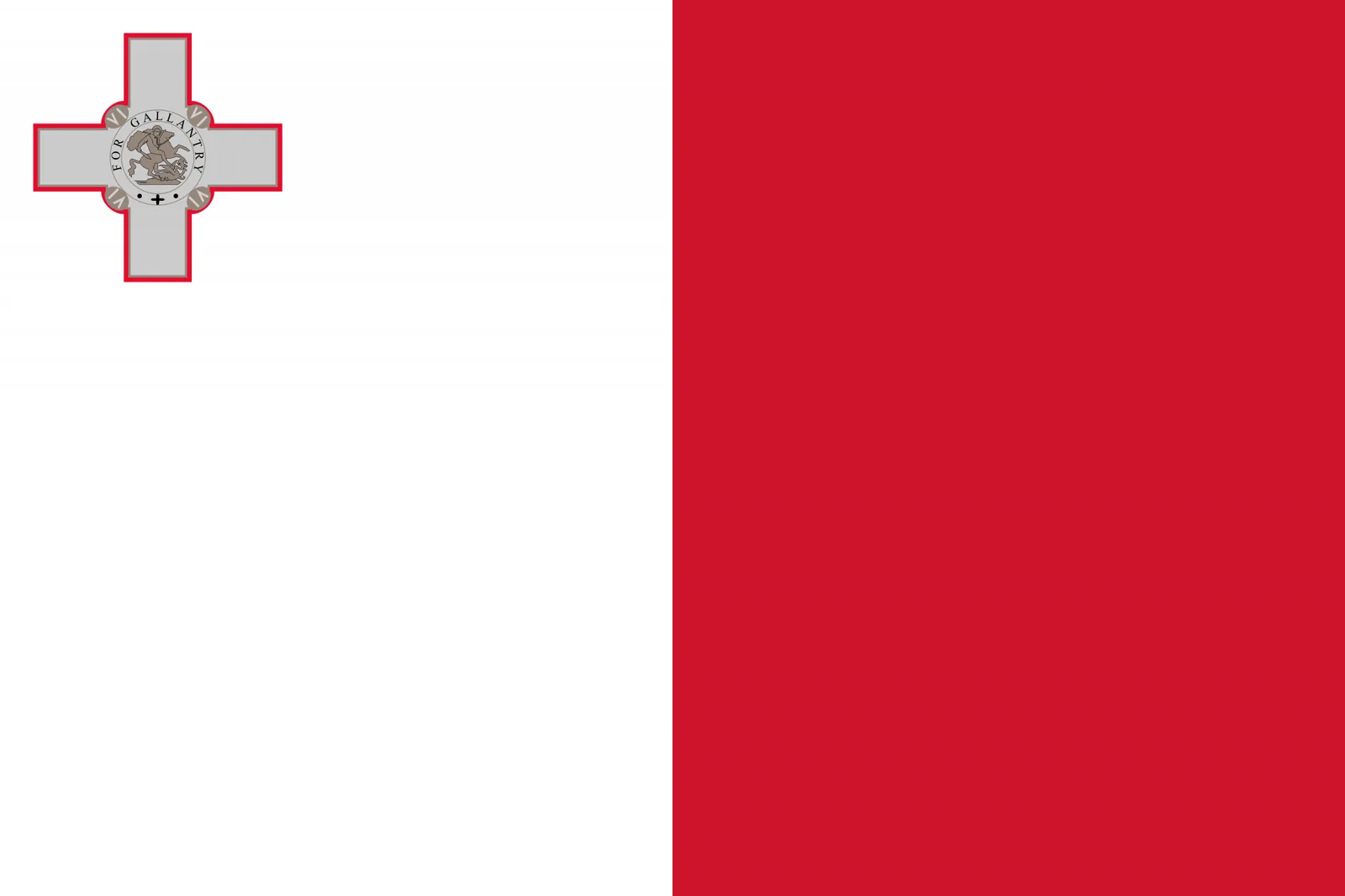
DAT Supply coordinates private-label supplement, wellness and pet projects for Malta brands — reviewed concepts, target-market claim review and remotely coordinated production.
Explore the catalogue by category or by manufacturing format below, or start a project brief in the DAT portal — positioning, claims and documentation are reviewed per project.
Malta is a 540,000-person market with Valletta as its administrative capital and Birkirkara as its largest commercial city. Key commercial cities include Valletta, Birkirkara, Sliema, St. Julian's. The working language for label artwork, regulatory submission and retail packaging is Maltese and English (English-language artwork is the practical norm). Retail distribution flows through Pharmacy network across the islands, Greens grocery, Lidl Malta, and an English-language DTC market with strong cross-border to the UK. On the supplement industry signal: Bilingual Maltese/English artwork + EU iGaming + financial-services cluster. For brand owners briefing DAT Supply, Malta is positioned as a regulated EU food-supplement market: artwork is produced in Maltese and English (English-language artwork is the practical norm), the food business operator (typically the brand owner) carries label responsibility under the EU Reg. 1169/2011 framework, and the notification is filed with the country's competent authority (see the Regulatory framework section). DAT coordinates manufacturing, documentation and shipping under a single project so the brand owner can focus on demand generation, retail placement and the post-launch reorder cycle. The country's neighbours and natural cross-launch pairs for a single artwork project are listed under the internal links below.
Bilingual Maltese/English artwork + EU iGaming + financial-services cluster Reading the Malta signal for a brand owner brief: the working language is Maltese and English (English-language artwork is the practical norm); the pharmacy, grocery and DTC channel mix shapes pack format and unit economics; the notification authority (MCCAA + Health Dept) sets the regulatory cadence; and the cert panel commonly seen on Malta pack is V-Label, EU organic leaf, kosher / halal where the brief requires it. The most distinctive Malta working signal is that small market commonly launched alongside the UK and Ireland using English-language artwork; Health Department notification is operator-led.
Dietary supplements in Malta are regulated as a category of food. The framework rests on EU Directive 2002/46/EC (food supplements), EU Reg. 1169/2011 (food information to consumers) and EU Reg. 1924/2006 / 432/2012 (nutrition and health claims), transposed nationally as EU Reg. 1924/2006 and 1169/2011, plus Maltese Subsidiary Legislation on food supplements and the Health Department notification (MCCAA market surveillance). Notification authority and route: MCCAA + Health Dept. Health Dept notification. The brand owner is the food business operator and carries label responsibility — DAT supplies the documentation pack but does not file on the brand owner's behalf. Label-language requirement: English (with Maltese as an option). Allergen labelling: EU FIC 1169/2011 allergens in English with bold emphasis. Novel ingredients: the EU novel food catalogue applies. Claim wording is the most-reviewed surface of the artwork pack. Permitted health claims are drawn from the EU 432/2012 register and any on-hold claims awaiting EFSA opinion; structure-function copy that does not assert disease prevention, treatment or cure is reviewed against the boundary set by Article 7 of Reg. 1169/2011 and the national authority's published guidance. Common rejection patterns: (i) implied disease-treatment phrasing on energy, sleep or stress SKUs, (ii) un-permitted comparative claims against medicines, (iii) using authorised-claim wording on products that do not meet the conditions of use, and (iv) translated claim wording that drifts from the authorised phrasing. DAT's artwork gate cross-references every claim on the pack against the authorised register or the national authority's borderline guidance before the brand owner files. Distinctive Malta signal: small market commonly launched alongside the UK and Ireland using English-language artwork; Health Department notification is operator-led. Certification panel commonly seen on Malta pack: V-Label, EU organic leaf, kosher / halal where the brief requires it. Where certification is desired the brand owner provides the certificate and DAT confirms compliance against the certifier's scheme during the documentation pack assembly. Retailer-specific documentation expectations: pharmacy, drugstore and grocery buyers commonly request the technical dossier (formulation specification, raw-material specifications, microbiological release criteria, stability summary, allergen statement, country-of-origin declaration, certificate of GMP-aligned manufacturing) before listing a new SKU. DAT supplies the dossier as a single packaged set so the brand owner can present a complete file at the listing meeting. Post-launch obligations: the food business operator records and investigates any adverse events through the national vigilance route, maintains the technical file for the legal retention period (commonly five years from last batch shelf life), and keeps the artwork in step with any future authoritative re-interpretation of claim wording on the authorised register. DAT supports the brand owner through batch-by-batch documentation and an artwork variant track when the register changes.
MCCAA + Health Dept
Health Dept notification
Brands DAT typically briefs from this market
- 01
Pharmacy and parapharmacy ranges — established supplement brands launching gummy or soft-chew formats into the pharmacy, grocery channel, requiring full Malta documentation, the in-language claim wording reviewed against the authorised register, and a notification number where the framework requires one.
- 02
Drugstore and grocery private label — own-label buyers seeking multi-vitamin, beauty, sleep or kids gummy lines at competitive shelf economics, where the working route is typically white-label or Make it Yours and the documentation pack is reviewed against EU Reg. 1924/2006 and 1169/2011, plus Maltese Subsidiary Legislation on food supplements and the Health Department notification (MCCAA market surveillance).
- 03
DTC supplement founders — Maltese and English (English-language artwork is the practical norm)-language ecommerce brands scaling from a first-ship white-label launch into Make it Yours formulations as the brand identifies its repeat-purchase actives; artwork is built to reach pharmacy / parapharmacy retail later in the brand's life.
- 04
Multi-market EU brands — brand owners using Malta as the entry market for a wider EU footprint, then re-using the artwork base with per-country variants for neighbouring markets; the notification step is repeated per country but the manufacturing run is consolidated.
- 05
Specialty channel programmes — beauty retail, fitness chains, sports nutrition specialists and wellness platforms running brand-led programmes that need Malta-compliant artwork, claim wording aligned to the channel's positioning and the certification panel commonly seen on Malta pack (V-Label, EU organic leaf, kosher / halal where the brief requires it).
The five demand categories most often briefed for Malta are: (i) sleep and stress — pectin gummies, soft chews and oral strips lead, with claim wording drawn from authorised botanicals on the EU register where eligible; (ii) beauty and skin — pectin gummies are the dominant format, supported by an authorised structural-claim framework around vitamins of relevance to skin, hair and nails; (iii) energy and focus — gummies, capsules and powders for stick-packs cover the spectrum from gentle to high-active-load; (iv) immune support — pectin gummies, tablets and effervescents drawn on the established authorised-claim register; and (v) kids and family multi-vitamin — pectin gummies dominate, with claim wording reviewed at the artwork gate. On format mix: pectin-based gummies are the leading on-trend format and DAT's flagship category; soft chews are a meltable confection-style format for kids and family; capsules and softgels remain the workhorse for high-active-load and lipid-soluble formulations; oral strips are used for fast-dissolve novel-delivery SKUs; powders are used for stick-packs and tubs. Format-specific regulatory notes for Malta: gummies must declare gelling-agent type (pectin vs bovine gelatin) on the ingredient list — this is a frequent rejection point on translated artwork; softgels containing fish-derived actives must declare fish as an allergen under EU FIC; oral strips and powders require accurate net-quantity declaration. Retail channels driving these categories in Malta: pharmacy, grocery and DTC.
On logistics for Malta: Goods move from DAT's Portugal-based supply chain into the EU under free movement of goods without customs clearance, and are delivered to the brand owner's nominated distribution centre by road freight through Spain and France. Currency framing: euro-denominated market; pricing is confirmed during order setup. Working routes — DAT supports three working routes for every market. White-label takes a reviewed gummy concept (or capsule, softgel, tablet, soft chew, oral strip or powder concept) from the public catalogue, adapts artwork to Malta requirements (language, claim wording, allergen declaration) and ships finished goods; this route is fastest to first-ship and most popular for a launch SKU range. Make it Yours adjusts dose, flavour or active stack within an existing matrix while keeping the underlying formulation system, packaging format and documentation pack stable; this route balances speed with brand-distinctive formulation. Custom development takes a brand-owner brief through bespoke formulation and packaging, with the documentation pack assembled from scratch; this route is the slowest to first-ship but produces the most defensible formulation IP. For Malta specifically, the notification-friendly route depends on claim ambition: white-label and Make it Yours typically reuse already-reviewed claim wording, which accelerates the notification step; custom development requires a fresh claim-wording review against EU Reg. 1924/2006 and 1169/2011, plus Maltese Subsidiary Legislation on food supplements and the Health Department notification (MCCAA market surveillance) which is built into the artwork gate. Documentation gates per project: brief review → spec confirmation → artwork review (the gate where claim wording, allergen declarations and language are locked) → batch-specific Certificate of Analysis after QC release. Final timing for any of the three routes is confirmed during order setup before payment.
Frequently asked questions — Malta
Does DAT have a facility in Malta?
No. DAT manufactures gummies and other supplement formats from a Portugal-based supply chain and ships finished goods to the brand owner's nominated Malta distribution centre. The Malta project is coordinated remotely under a single project-management track.Which regulatory authority oversees food supplements in Malta?
MCCAA + Health Dept is the competent authority. The notification route is: Health Dept notification. The brand owner files as the food business operator; DAT supplies the supporting documentation pack (formulation specifications, ingredient sourcing records, allergen declarations, nutritional analysis and artwork files).What language must the artwork be in for Malta?
English (with Maltese as an option). DAT supplies a print-ready artwork pack in the required language; the brand owner approves the final artwork at the artwork gate.How is claim wording reviewed for Malta pack?
Permitted claims are drawn from the EU 432/2012 authorised register and the on-hold list awaiting EFSA opinion, translated into the country's official language per EU Reg. 1924/2006 and 1169/2011, plus Maltese Subsidiary Legislation on food supplements and the Health Department notification (MCCAA market surveillance). DAT cross-references every claim on the pack against the authorised register and the national authority's borderline guidance before the brand owner signs off.How are novel ingredients handled for Malta?
The EU novel food catalogue applies. Where a brief contains an ingredient flagged as novel in the EU catalogue, DAT confirms the catalogue status at the brief-review gate and either substitutes a non-novel equivalent or routes the project through a novel-ingredient submission as a separate documentation track.Which certifications are commonly seen on Malta pack?
V-Label, EU organic leaf, kosher / halal where the brief requires it. Where certification is desired the brand owner provides the certificate and DAT confirms compliance against the certifier's scheme during documentation pack assembly; DAT does not issue or hold certifications on the brand owner's behalf.What documentation does DAT provide for a Malta launch?
Formulation specifications, ingredient sourcing records (origin, supplier name redacted), nutritional analysis, allergen declarations, a batch-specific Certificate of Analysis available on request, and the print-ready artwork pack in Maltese and English (English-language artwork is the practical norm). The brand owner files the notification with MCCAA + Health Dept.How long does a Malta launch take from brief to first ship?
Final timeline is confirmed during order setup before payment. The timeline depends on the working route (white-label, Make it Yours or custom), the packaging format, the documentation pack assembly time and the production calendar at the time of order.Can DAT launch Malta alongside neighbouring markets?
Yes. The recommended pattern is a single core artwork base with per-country variants (claim wording, language, allergen declaration). Neighbouring markets for Malta that are commonly co-launched are listed in the internal links section below.Does DAT ship directly to retailers in Malta?
DAT ships to the brand owner's nominated warehouse or distribution centre. The brand owner manages the retailer delivery logistics as the label holder and food business operator.What retail channels does DAT see for Malta?
The dominant Malta retail mix is Pharmacy network across the islands, Greens grocery, Lidl Malta, and an English-language DTC market with strong cross-border to the UK. DAT's working routes and documentation pack are configured to be ready for any of these channels; the brand owner specifies the target channel at the brief gate so the artwork and documentation pack are scoped accordingly.
Browse private label by category for Malta
Persona-led starting points, reviewed against target-market claim rules.
- Category
Beauty & Skin →
Private-label beauty concepts reviewed against target-market claim rules.
- Category
Sleep & Relax →
Sleep and calm positioning is reviewed per market before any claim is finalised.
- Category
Sports Nutrition →
Energy and performance concepts reviewed against target-market stimulant rules.
- Category
Collagen →
Collagen source and dose are confirmed per project and target market.
- Category
Kids →
Kids-positioned concepts follow per-market labelling and dose rules.
- Category
Immunity →
Immune-support concepts carry the EU-permitted claim set reviewed per market.
Browse private label by format for Malta
Reviewed concepts grouped by manufacturing format, scoped to this market.
- Format
Gummies →
Pectin-based supplement gummies — the mature DAT Supply format. Used across daily wellness, beauty, sleep and kids ranges.
- Format
Powder sachets →
Single-serving powder sachet / stick format for powders, granulates and mix-in daily-routine concepts. Configuration confirmed per project.
- Format
Functional jellies →
Pouchable functional jelly format for daily-routine and on-the-go supplement concepts.
- Format
Oral strips →
Fast-dissolving oral strip format. Reviewed per project; payload range confirmed during the brief.
- Format
Liquid drops →
Dropper-bottle supplement format for oil-soluble or precise-dose actives.
- Format
Pet soft chews →
Soft, paste-based chew format for cats and dogs. Format and palatability confirmed per project — no pet therapeutic claims.
Explore each private-label manufacturing format
The commercial format lanes DAT runs — samples, documentation and production by stage.
-
Private label
Gummies →
Pectin-based supplement gummies — the mature DAT Supply format. Used across daily wellness, beauty, sleep and kids ranges.
-
Private label
Powder sachets →
Single-serving powder sachet / stick format for powders, granulates and mix-in daily-routine concepts. Configuration confirmed per project.
-
Private label
Functional jellies →
Pouchable functional jelly format for daily-routine and on-the-go supplement concepts.
-
Private label
Oral strips →
Fast-dissolving oral strip format. Reviewed per project; payload range confirmed during the brief.
-
Private label
Liquid drops →
Dropper-bottle supplement format for oil-soluble or precise-dose actives.
Public-ready concepts for Malta brands
A short pick of reviewed concepts from the public catalogue. Final positioning, claims and documentation are reviewed per project.
All formulas →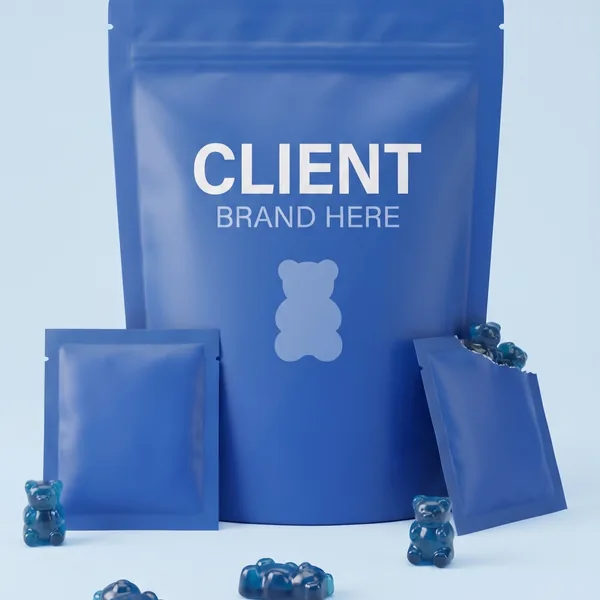
Kids Daily Multi Sachets
Kids Daily Multi Sachets is a private-label pectin-gummy supplement concept for brands building a kids & family range. Final positioning, claims and documentation are reviewed per project and target market.
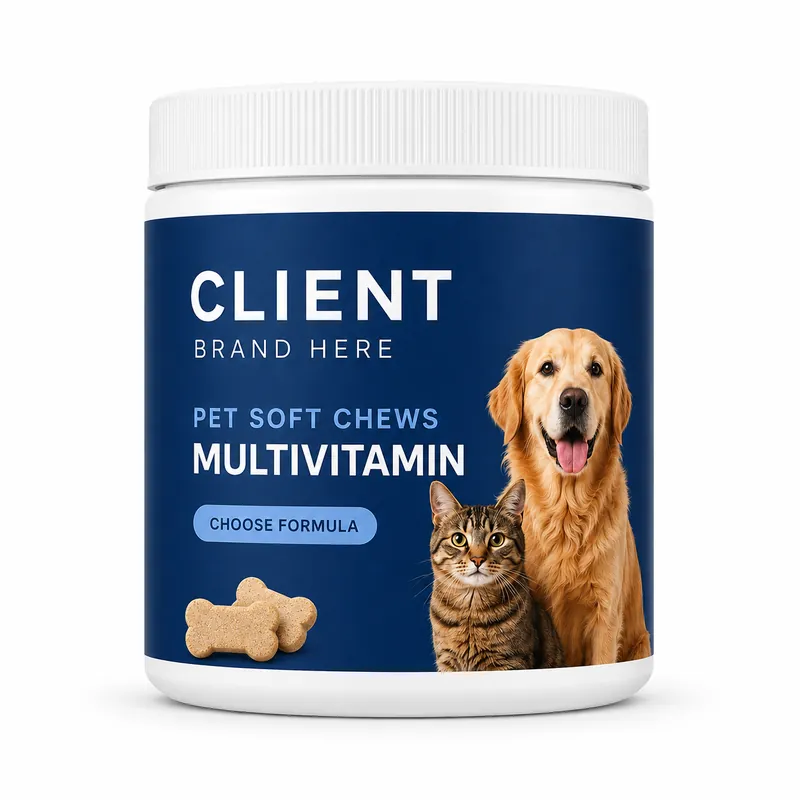
Dog Eye Vision Soft Chews
Private-label dogs soft chew: 3 g chew, 60 per bottle, 180 g net. An Antioxidant Blend Formulated For Senior Animals.
Kids Focus & Learning Sachets
Kids Focus & Learning Sachets is a private-label pectin-gummy supplement concept for brands building a kids & family range. Final positioning, claims and documentation are reviewed per project and target market.
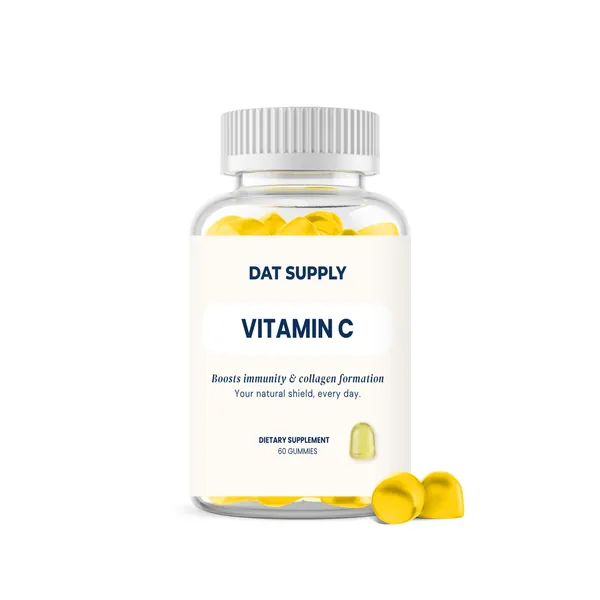
Vitamin C Gummies
Vitamin C gummies at 90 mg per serving.

Gut Balance Gummies
Gut Balance Gummies is a private-label pectin-gummy supplement concept for brands building a digestive & gut range. Final positioning, claims and documentation are reviewed per project and target market.
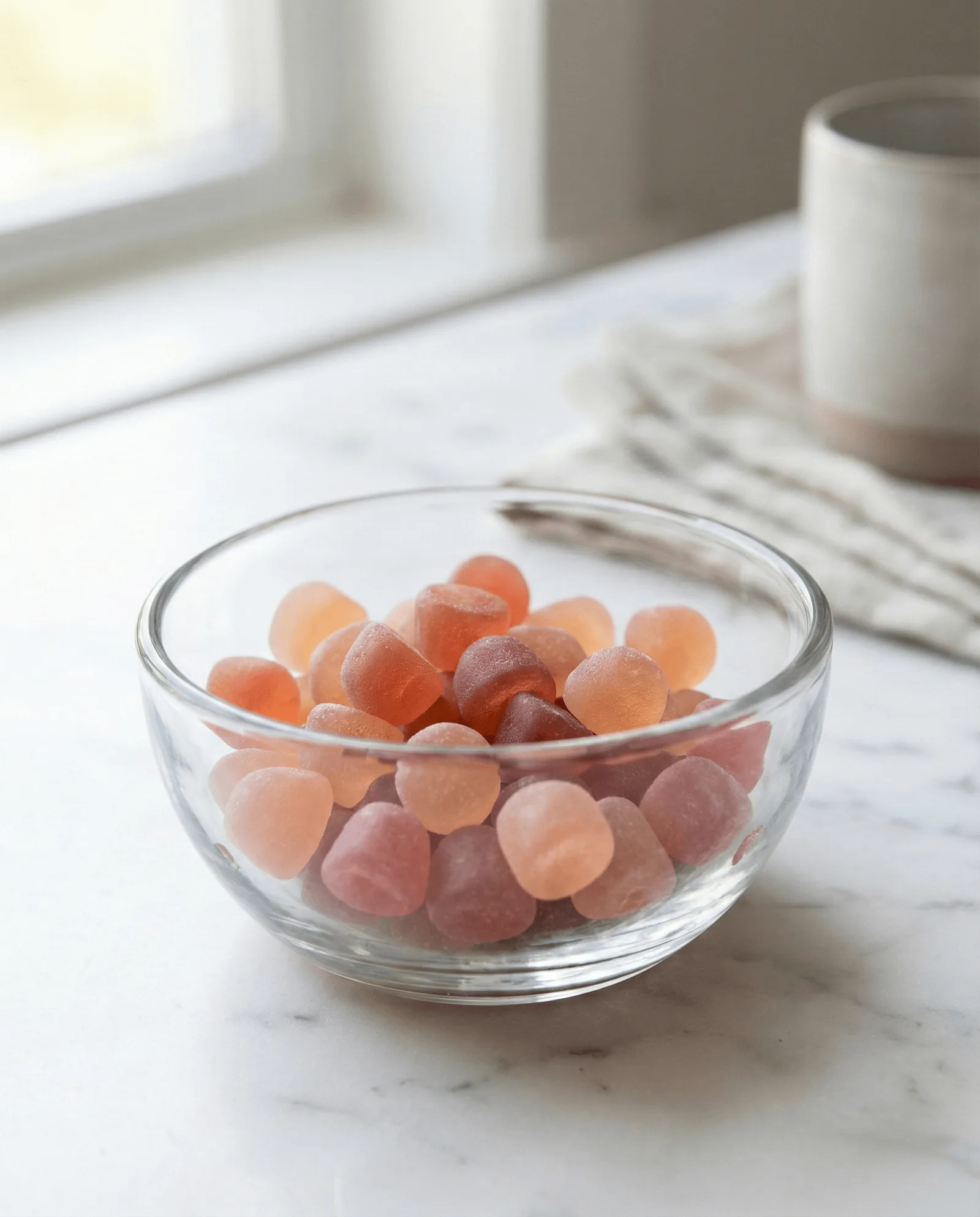
Vitamin C Powder
Private-label vitamin c powder (powder format). Key actives: Vitamin C, Zinc. Per 1 sachet. EU & US draft formula, MOQ-friendly private label.
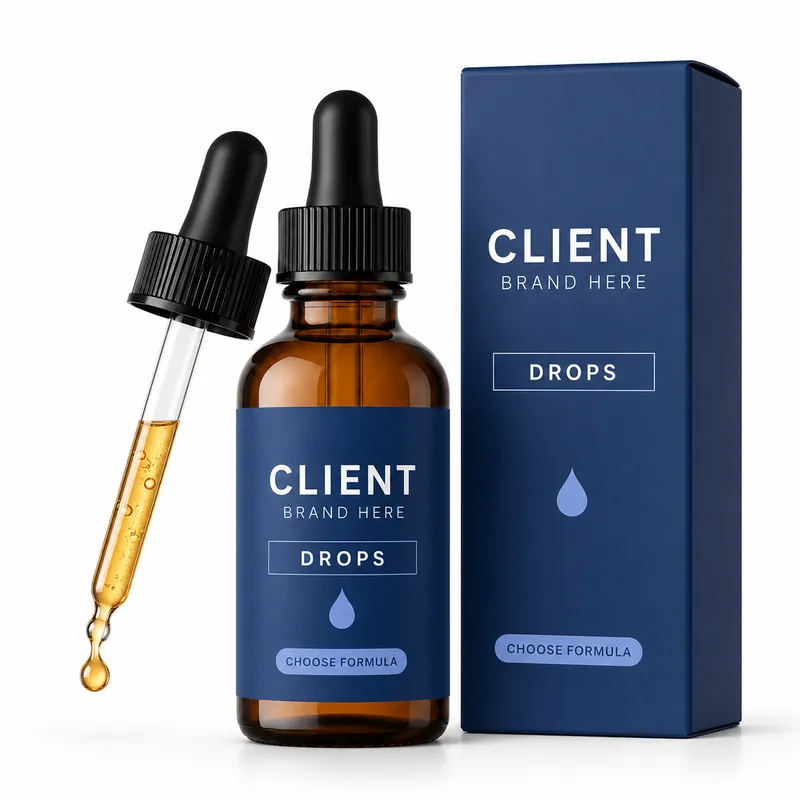
Zinc Drops
Private-label 30 mL dropper bottle, 1 mL serving, 30 servings. Zinc for normal immune function, skin, hair and nails.

Vitamin D3 + K2 Gummies
Vitamin D3 + K2 Gummies is a private-label pectin-gummy supplement concept for brands building a daily wellness range. Final positioning, claims and documentation are reviewed per project and target market.