How much it costs to launch private-label supplements
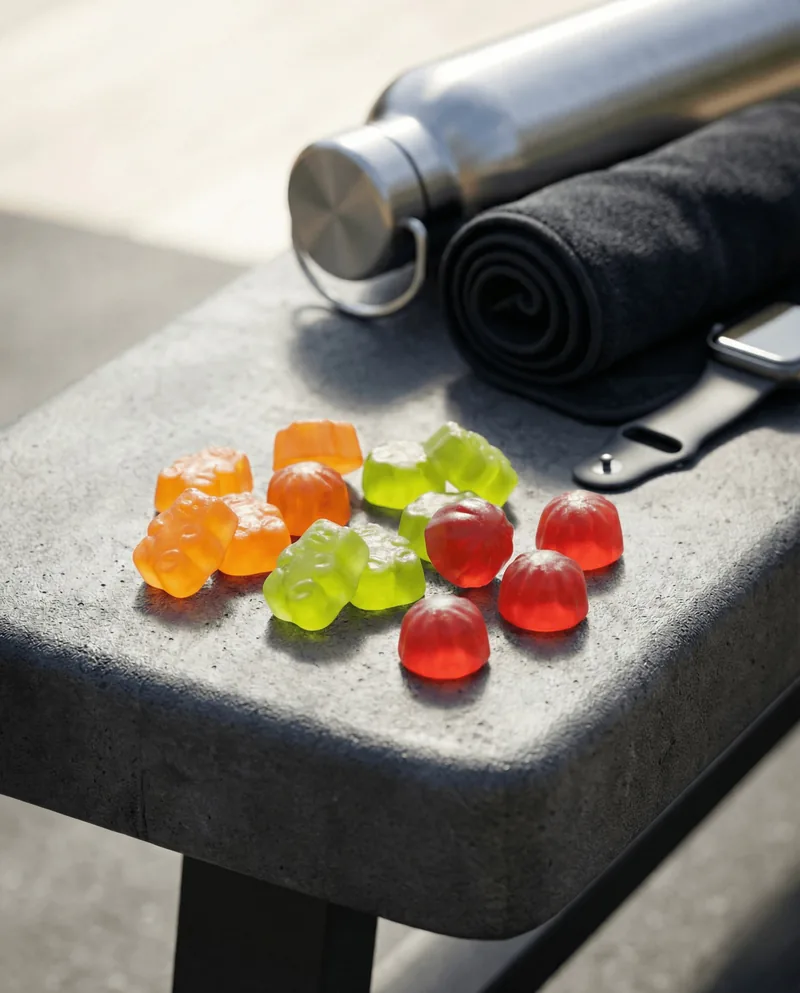
Launching a private-label supplement brand involves several cost factors, from formulation and packaging to MOQ and lead time. This guide breaks down the typical expenses for brand owners working with a multi-format private-label partner like DAT Supply. It explains what to prepare, how personalisation works under Make it Yours, and how DAT Supply routes a project from brief to samples to production — without prescribing dosages or making product claims. The brand owner remains responsible for final claims, on-pack labelling and market compliance in each destination market. To get started, you can [order samples](/samples/) or [Start order](https://portal.dat.supply/register) to review pricing tailored to your project.
Understanding the cost structure of private-label supplements
The cost to launch private-label supplements varies based on several key factors. Unlike consumer goods with fixed retail prices, private-label manufacturing involves a customised cost structure that depends on formulation complexity, packaging choice, order volume, and the level of personalisation. For brand owners working with a multi-format partner like DAT Supply, the cost typically breaks down into four main areas: formulation and ingredient sourcing, packaging and labelling, manufacturing and MOQ, and logistics and compliance. Each area has its own variables that can influence the final price per unit. For example, a simple gummy formula with standard ingredients will cost less than a functional jelly with specialised active ingredients. Similarly, custom packaging with unique branding will add to the cost compared to using stock packaging. Understanding these components helps the brand owner budget accurately and avoid surprises. The manufacturer provides a detailed quote after reviewing the brief, which includes all cost elements. It is important to [review MOQ and lead times](/resources/moq-lead-times/) early in the process to align with budget expectations. The brand owner should also consider the cost of market compliance, such as registration and labelling requirements in the destination country, which are separate from manufacturing costs. By breaking down the cost structure, the team can make informed decisions about where to invest for maximum impact.
Formulation costs: from brief to sample
Formulation is the first major cost component in launching private-label supplements. When the brand owner submits a brief, the manufacturer's R&D team reviews the desired product type, target market, and any specific ingredient requirements. For standard formulations using existing base recipes, the cost is lower because the manufacturer can leverage proven formulas. For custom formulations requiring new ingredient combinations or specific dosage forms, the cost increases due to additional development time and raw material sourcing. DAT Supply offers a Make it Yours personalisation route that allows the brand owner to customise existing formulations with their own flavour, colour, or active ingredient preferences, which balances cost and uniqueness. The formulation phase typically includes several rounds of sample development. The brand owner receives samples for review, and any revisions may incur additional costs. It is common for the manufacturer to charge a formulation fee that covers the initial development and a set number of sample iterations. The brand owner should clarify what is included in the fee before proceeding. Once the formulation is approved, the cost is locked in for the production run. To understand the typical costs, the brand owner can [Browse the private label catalogue](/private-label/) to see example products and their base formulations. This gives a benchmark for estimating formulation expenses. The manufacturer also provides a clear breakdown of formulation costs in the quote, so there are no surprises.
Packaging and labelling: what to budget
Packaging and labelling represent a significant portion of the total cost to launch private-label supplements. The brand owner must choose between stock packaging (pre-printed with generic branding) and custom packaging (fully designed with unique artwork). Stock packaging is more cost-effective and has shorter lead times, making it ideal for startups testing the market. Custom packaging offers brand differentiation but requires a minimum order quantity for printing and longer production timelines. The cost of packaging includes the container (bottle, pouch, box), closure, label, and any inserts. For gummies, common packaging includes stand-up pouches or jars. For sachets and jelly sticks, the packaging is typically a flexible film with printed branding. The brand owner should also budget for artwork design and any regulatory labelling requirements, such as ingredient lists, nutritional information, and claims. The manufacturer can provide guidance on labelling regulations for the target market, but the brand owner is responsible for final compliance. To reduce costs, the brand owner can consider using standard packaging sizes and formats that the manufacturer stocks. DAT Supply offers a range of packaging options for different formats, which can be reviewed in the [private label catalogue](/private-label/). The brand owner should request packaging cost estimates during the quotation phase and factor in any artwork revision fees. Proper budgeting for packaging ensures the product looks professional without overspending.
Minimum order quantities and their impact on cost
Minimum order quantities (MOQs) directly affect the per-unit cost of private-label supplements. MOQs are set by the manufacturer to ensure efficient production runs and cover setup costs. For DAT Supply, MOQs vary by format: gummies typically have higher MOQs due to the mould and equipment setup, while sachets and jelly sticks may have lower MOQs. The brand owner should consider their initial sales forecast and budget when choosing an MOQ. Ordering a larger quantity reduces the per-unit cost but requires more upfront capital. Conversely, a smaller MOQ allows for lower initial investment but at a higher unit price. The brand owner can [review MOQ and lead times](/resources/moq-lead-times/) to understand the typical ranges for each format. Some manufacturers offer tiered pricing, where the unit cost decreases as order volume increases. The brand owner should calculate the total cost for different order sizes to find the sweet spot between cash flow and margin. It is also important to note that MOQs apply to each SKU, so launching multiple products simultaneously will require meeting the MOQ for each. The brand owner can start with one product to test the market and then scale up. The manufacturer's quote will clearly state the MOQ and the corresponding unit price. By planning the order volume carefully, the brand owner can optimise costs without overcommitting inventory.
Lead time and its cost implications
Lead time is the period from order confirmation to product delivery, and it can influence the overall cost of launching private-label supplements. Standard lead times for private-label manufacturing range from 8 to 16 weeks, depending on formulation complexity, packaging availability, and order volume. Rush orders may be possible but often incur additional fees. The brand owner should align the lead time with their product launch timeline to avoid storage costs or missed market opportunities. Longer lead times may allow for more cost-effective shipping options, such as sea freight instead of air freight. The manufacturer typically provides a lead time estimate in the quote, but it is confirmed only after the order is placed and all details are finalised. The brand owner should factor in potential delays due to ingredient sourcing or packaging production. To manage costs, the brand owner can choose standard ingredients and stock packaging, which have shorter lead times. The manufacturer can also provide updates on production milestones. For a smooth process, the brand owner should [review MOQ and lead times](/resources/moq-lead-times/) before committing. Understanding lead times helps the brand owner plan inventory and cash flow, ensuring the product arrives when needed without unnecessary rush charges.
The role of samples in cost estimation
Samples are a critical step in the cost estimation process for private-label supplements. Before committing to a full production run, the brand owner should request samples to evaluate the formulation, taste, texture, and packaging. Samples allow the team to make adjustments before mass production, reducing the risk of costly errors. The cost of samples is typically separate from the production cost and may include a sample fee plus shipping. Some manufacturers offer sample credits that can be applied to the first order. DAT Supply provides samples for review, and the brand owner can [order samples](/samples/) to test different formulations and formats. The sample phase also helps the brand owner understand the final product quality and confirm that it meets market expectations. Any revisions requested after sample review may incur additional costs, so it is important to be thorough during the initial brief. The manufacturer can provide multiple sample variations for comparison. By investing in samples, the brand owner gains confidence in the product and avoids expensive changes later. The cost of samples is a small fraction of the total project cost and is essential for accurate budgeting.
Compliance and documentation costs
Compliance and documentation are essential but often overlooked costs in launching private-label supplements. The brand owner must ensure the product meets regulatory requirements in the target market, which may include ingredient approvals, labelling standards, and product registration. The manufacturer can provide documentation such as certificates of analysis, allergen statements, and manufacturing process descriptions. However, the brand owner is responsible for final market compliance, including any third-party testing or registration fees. The cost of compliance varies by country and product type. For example, selling in the European Union may require a novel food application if the product contains a new ingredient, while selling in the United States may require FDA registration. The brand owner should budget for these costs early. The manufacturer can assist by providing the necessary documentation, but the brand owner may need to engage a regulatory consultant for complex markets. To understand the typical documentation scope, the brand owner can [review documentation scope](/documentation/) or check the [private-label checklist](/resources/private-label-checklist/). Proper compliance ensures the product can be sold without legal issues, protecting the brand's reputation and investment.
How Make it Yours personalisation affects pricing
Make it Yours is DAT Supply's personalisation route that allows brand owners to customise existing formulations without the cost of full custom development. This approach balances uniqueness with affordability. The brand owner can choose from a range of base formulations and then personalise elements such as flavour, colour, active ingredient dosage, and packaging design. The cost of Make it Yours is typically lower than a fully custom formulation because the manufacturer uses proven recipes and existing production setups. The brand owner pays a personalisation fee plus any incremental costs for specific ingredients or packaging changes. This route is ideal for brands that want differentiation without the high cost and long lead time of a new formulation. The manufacturer provides a menu of options with associated costs, allowing the brand owner to select the level of personalisation that fits their budget. For example, a brand owner can start with a standard gummy base and add a unique flavour blend. The cost is transparent and quoted upfront. To see examples of Make it Yours options, the brand owner can [Browse the private label catalogue](/private-label/) and look for products marked as customisable. This approach helps the brand owner launch faster and with lower risk.
Comparing costs across different supplement formats
The cost to launch private-label supplements varies significantly by format. Gummies are popular but require specialised equipment and moulds, leading to higher setup costs and MOQs. Sachets and jelly sticks have lower setup costs and are often more cost-effective for smaller runs. Oral strips and pet soft chews each have their own cost structures. The brand owner should consider the target market and consumer preferences when choosing a format. For example, gummies are widely accepted for vitamins and supplements, while sachets are convenient for on-the-go powders. The manufacturer can provide cost comparisons for different formats based on the same active ingredients and order volume. The brand owner should request quotes for multiple formats to evaluate the total cost. Additionally, the format affects packaging costs and shelf life, which impact overall profitability. DAT Supply offers a range of formats, and the brand owner can explore options like [private-label gummies](/private-label/gummies/) or [private-label sachets](/private-label/sachets/) to understand typical pricing. By comparing formats, the brand owner can choose the most cost-effective option that aligns with their brand strategy and budget.
Budgeting for additional services: artwork, logistics, and marketing
Beyond manufacturing, the brand owner should budget for additional services that contribute to a successful product launch. Artwork design for labels and packaging may require a professional designer, especially if the brand owner does not have in-house capabilities. The manufacturer may offer design services or recommend external partners. Logistics costs include shipping from the manufacturer to the brand owner's warehouse or directly to fulfilment centres. The brand owner should get shipping quotes for different quantities and destinations. Warehousing and distribution costs may also apply if the brand owner uses a third-party logistics provider. Marketing costs, such as product photography, website content, and promotional materials, are separate but essential for selling the product. The brand owner should allocate a budget for these activities. The manufacturer can provide guidance on typical logistics costs for different regions. For example, shipping to European markets may have different rates than shipping to North America. The brand owner can [review MOQ and lead times](/resources/moq-lead-times/) to estimate shipping timelines and costs. By planning for these additional services, the brand owner ensures a smooth launch without unexpected expenses.
Hidden costs to watch out for
When budgeting for private-label supplements, the brand owner should be aware of potential hidden costs that can inflate the total expense. These include revision fees for formulation or packaging changes after the initial approval, expedited shipping charges for rush orders, and customs duties for international shipments. The manufacturer's quote should be clear about what is included, but the brand owner should ask about any potential additional charges. For example, if the brand owner requests a last-minute change to the label artwork, there may be a reprint fee. Similarly, if the order requires special handling or storage, extra costs may apply. The brand owner should also consider the cost of product liability insurance, which is often required by retailers. Another hidden cost is the expense of market research or consumer testing to validate the product concept. To avoid surprises, the brand owner should have a detailed discussion with the manufacturer about all possible costs and request a comprehensive quote. The [documentation route](/resources/private-label-checklist/) can help identify common cost areas. By anticipating hidden costs, the brand owner can set a realistic budget and avoid financial strain.
How to get an accurate cost estimate for your project
Getting an accurate cost estimate for private-label supplements requires a clear brief and open communication with the manufacturer. The brand owner should prepare a detailed product specification, including the desired format, ingredients, flavour, colour, packaging type, and target market. The more specific the brief, the more accurate the quote. The manufacturer will review the brief and provide a cost breakdown for formulation, packaging, MOQ, and lead time. The brand owner should request samples to validate the product before committing to a full order. It is also advisable to get quotes from multiple manufacturers to compare pricing, but the brand owner should consider the overall value, including quality and support. DAT Supply provides transparent pricing and can tailor the quote to the brand owner's needs. The brand owner can [Start order](https://portal.dat.supply/register) to initiate the quotation process. Additionally, the brand owner can [order samples](/samples/) to test the product before finalising the order. By following these steps, the brand owner can obtain a reliable cost estimate and launch with confidence.
Frequently asked questions
What is the typical cost range for launching a private-label supplement?
The cost varies widely based on formulation, packaging, and order volume. A basic gummy product with stock packaging may start around a few thousand dollars for a small run, while a custom formulation with premium packaging can cost tens of thousands. The manufacturer provides a detailed quote after reviewing the brief.
How much does formulation cost for private-label supplements?
Formulation costs depend on complexity. Standard formulations using existing recipes may have a lower fee, while custom formulations require more R&D and can cost several hundred to a few thousand dollars. Make it Yours personalisation offers a middle ground with transparent pricing.
Are there any ongoing costs after the initial production?
Yes, ongoing costs include reordering inventory, packaging updates, regulatory renewals, and marketing. The brand owner should also budget for storage and distribution if using a third-party logistics provider.
Can I reduce costs by ordering a larger quantity?
Yes, ordering a larger quantity typically reduces the per-unit cost due to economies of scale. However, the brand owner should balance this with cash flow and storage capacity. The manufacturer can provide tiered pricing for different order volumes.
What is included in the sample cost?
Sample costs usually cover the raw materials, production time, and shipping. Some manufacturers offer sample credits that can be applied to the first order. The brand owner should clarify what is included before ordering.
How do I get a cost estimate for my specific product?
Submit a detailed brief to the manufacturer including format, ingredients, packaging, and target market. The manufacturer will review and provide a quote. You can [Start order](https://portal.dat.supply/register) to begin the process.
Are there any hidden fees I should be aware of?
Potential hidden fees include revision charges, expedited shipping, customs duties, and artwork changes. Always ask for a comprehensive quote and review the terms carefully.
Related resources
- Resource
A supplement order-minimum and cost planning guide
Plan your supplement launch with this guide on order minimums and costs for private-label brand owners. Learn about Make it Yours, samples,
Read more → - Resource
Apple cider vinegar supplements: a private-label overview
Apple cider vinegar supplements: a private-label overview — a practical private-label guide for supplement brand owners. Plan formats, categ
Read more → - Resource
Ashwagandha supplements: a private-label overview
Ashwagandha supplements: a private-label overview — a practical private-label guide for supplement brand owners. Plan formats, categories an
Read more → - Resource
Biotin supplements: a private-label overview
Biotin supplements: a private-label overview — a practical private-label guide for supplement brand owners. Plan formats, categories and doc
Read more → - Resource
Collagen supplements: a private-label overview
Collagen supplements: a private-label overview — a practical private-label guide for supplement brand owners. Plan formats, categories and d
Read more → - Resource
Creatine supplements: a private-label overview
Creatine supplements: a private-label overview — a practical private-label guide for supplement brand owners. Plan formats, categories and d
Read more → - Resource
Doypack supplement packaging explained
Doypack supplement packaging explained — a practical private-label guide for supplement brand owners. Plan formats, categories and documenta
Read more → - Resource
Electrolyte supplements: a private-label overview
Electrolyte supplements: a private-label overview — a practical private-label guide for supplement brand owners. Plan formats, categories an
Read more →
Where to next?
Browse the reviewed catalogue, request samples, or start an order when you're ready — the DAT Supply portal routes your brief through the right review step.