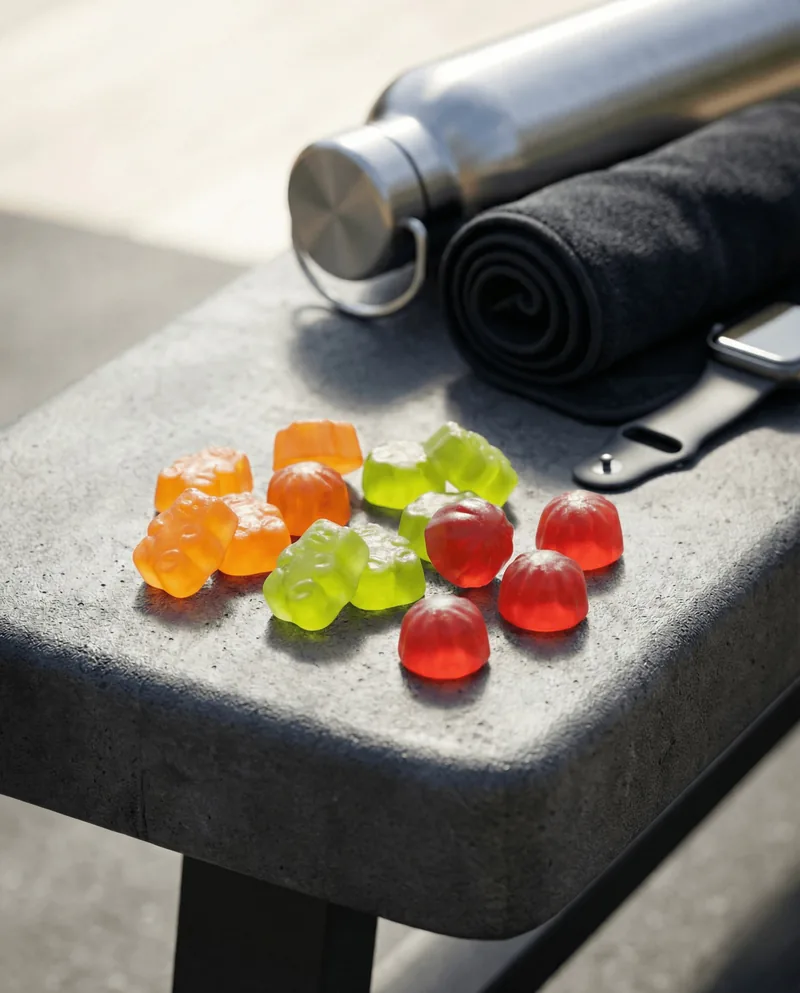
This guide covers how to launch a gut health supplement brand for brand owners working with a multi-format private-label supplement partner. It explains what to prepare, how personalisation works under Make it Yours, and how DAT Supply routes a project from brief to samples to production — without prescribing dosages or making product claims. The brand owner remains responsible for final claims, on-pack labelling and market compliance in each destination market. To begin, order samples or [Start order](https://portal.dat.supply/register) to explore the process.
Define your gut health product concept
Before engaging a manufacturer, the brand owner should define the product concept with clarity. Gut health supplements typically target digestion, microbiome balance, or regularity. The brand owner must decide on the primary benefit without making medical claims — for example, supporting digestive comfort or promoting a balanced gut flora. This concept will guide the choice of ingredients, format, and target market. The team should prepare a brief that includes the desired format (such as gummies, sachets, or jelly sticks), target consumer profile, and any flavour or texture preferences. A well-defined concept helps the manufacturer provide accurate guidance on feasibility and lead times. For inspiration, Browse the private label catalogue to see existing gut health formulations that can be customised under Make it Yours. The brand owner should also consider the regulatory environment of the destination market, as ingredient approvals and claim allowances vary. This initial step sets the foundation for a smooth development process. To further refine the concept, the brand owner can review the product development checklist which outlines key questions to answer before approaching a manufacturer. Additionally, the brand owner should consider the product's positioning — whether it targets a specific demographic like athletes or seniors, or a lifestyle need such as travel-friendly gut support. A clear concept reduces back-and-forth during development and helps the manufacturer propose the most suitable formulation and format options. The brand owner should also think about the product's unique selling proposition, such as a specific probiotic strain or a prebiotic fibre blend, while ensuring all claims are substantiated and compliant. By investing time upfront in concept definition, the brand owner can streamline the entire development process and avoid costly revisions later.
Choose the right supplement format for your brand
Format selection is a critical decision that affects consumer appeal, production complexity, and cost. For gut health supplements, popular formats include gummies, sachets, jelly sticks, and oral strips. Each format offers distinct advantages: gummies are consumer-friendly and allow for flavour masking; sachets are ideal for powdered probiotics or prebiotics; jelly sticks provide a convenient on-the-go option; and oral strips offer rapid dissolution. The brand owner should consider the target audience's preferences and the product's intended use. For example, a probiotic for daily use might work well as a sachet, while a digestive enzyme could be formulated as a gummy. The manufacturer can provide samples of different formats to evaluate taste, texture, and stability. To explore format options, review the gummies category or sachets category for existing formulations. The brand owner should also consider the packaging format, as it impacts shelf life and branding opportunities. A multi-format partner allows the brand to test and iterate without committing to a single format early on. For brands targeting children, gummies or jelly sticks may be more appealing due to their fun shape and taste. For travel-friendly options, sachets or oral strips are convenient. The brand owner should also think about the format's compatibility with the chosen ingredients — for instance, probiotics are often more stable in powder form in sachets, while enzymes may be better in chewable gummies. The manufacturer can provide stability data for each format-ingredient combination. Additionally, the brand owner can order samples of multiple formats to conduct consumer testing and gather feedback before finalising the format. This step ensures that the chosen format aligns with both the product concept and market demand.
Select ingredients and develop your formulation
Ingredient selection is the heart of any gut health supplement. Common ingredients include probiotics, prebiotics, digestive enzymes, and botanicals like ginger or peppermint. The brand owner should work with the manufacturer to identify ingredients that align with the product concept and target market regulations. The manufacturer can provide a list of available ingredients and their typical usage levels, but the brand owner must ensure that any claims are substantiated and compliant. Under the Make it Yours programme, the brand owner can customise the formulation by choosing from a range of pre-developed bases or creating a bespoke blend. The manufacturer will provide documentation on ingredient sourcing, specifications, and stability data. The brand owner should also consider allergen declarations, vegan suitability, and organic certifications. To review the documentation scope, visit the documentation route for a checklist of required documents. The formulation phase typically involves multiple rounds of adjustment to achieve the desired taste, texture, and efficacy without making medical claims. For example, a probiotic formulation may require microencapsulation to ensure shelf stability, while a prebiotic fibre blend might need flavour masking to improve palatability. The brand owner can request stability testing under various conditions to ensure the product maintains its potency throughout its shelf life. The manufacturer can also provide guidance on ingredient synergies — for instance, combining a probiotic with a prebiotic (synbiotic) can enhance efficacy. The brand owner should also consider the form of the ingredient, such as whether the probiotic is a spore-forming strain or a traditional strain, as this affects stability and dosage. By collaborating closely with the manufacturer during ingredient selection, the brand owner can develop a formulation that is both effective and compliant.
Understand regulatory compliance for gut health supplements
Regulatory compliance is a shared responsibility between the brand owner and the manufacturer. The brand owner must ensure that the final product meets the requirements of the destination market, including ingredient approvals, labelling rules, and claim substantiation. The manufacturer can provide certificates of analysis, manufacturing documentation, and stability data, but the brand owner is responsible for final claims and on-pack labelling. For example, in the European Union, gut health supplements must comply with the Food Supplements Directive and the Nutrition and Health Claims Regulation. The brand owner should work with a regulatory consultant or use the manufacturer's guidance to navigate these rules. The manufacturer can also assist with product registration in some markets. To understand the compliance process for a specific region, review the EU gummy market guide for insights. The brand owner should also consider labelling requirements such as ingredient lists, allergen warnings, and dosage instructions. A compliant product builds trust and avoids costly recalls. For brands targeting the US market, compliance with FDA dietary supplement regulations and FTC advertising guidelines is essential. The brand owner should ensure that all health claims are substantiated by scientific evidence and are not misleading. The manufacturer can provide a regulatory dossier that includes ingredient safety data, manufacturing process validation, and stability studies. Additionally, the brand owner should be aware of novel food regulations if using ingredients not traditionally consumed in the target market. By partnering with a manufacturer experienced in regulatory affairs, the brand owner can navigate the complex landscape more efficiently and bring a compliant product to market faster.
Design branding and packaging that stands out
Branding and packaging are crucial for differentiation in the crowded gut health market. The brand owner should develop a brand identity that resonates with the target audience, including logo, colour palette, typography, and imagery. Packaging must comply with regulatory requirements while being visually appealing and functional. The manufacturer can offer standard packaging options such as bottles, pouches, or boxes, which can be customised with the brand owner's design. Under Make it Yours, the brand owner can personalise the packaging with unique artwork, finishes, and materials. The brand owner should also consider sustainability trends, such as recyclable or biodegradable packaging, to appeal to eco-conscious consumers. To see examples of branded packaging, Browse the private label catalogue for inspiration. The brand owner should also plan for secondary packaging like display boxes or shippers. A strong brand presence on the shelf or online can significantly impact sales. For gut health supplements, packaging that clearly communicates the product's benefit — such as 'supports digestive comfort' — can attract consumers. The brand owner can work with the manufacturer's design team to create mockups and prototypes. Additionally, the brand owner should consider the packaging's functionality, such as resealable pouches for sachets or child-resistant caps for bottles. The manufacturer can provide samples of packaging materials to test durability and aesthetics. By investing in professional branding and packaging, the brand owner can create a memorable product that stands out in a competitive market.
Plan your product launch timeline and milestones
Launching a gut health supplement brand requires careful planning of timelines and milestones. The process typically includes concept development, formulation, sample approval, packaging design, production, and distribution. The brand owner should work with the manufacturer to establish a realistic timeline, keeping in mind that lead times vary based on formulation complexity, ingredient availability, and order quantity. The manufacturer can provide a project plan with key milestones, such as brief submission, sample delivery, and production start. The brand owner should also factor in time for regulatory review, label approval, and marketing preparation. To review typical lead times, review MOQ and lead times for guidance. The brand owner should plan for buffer time to accommodate unexpected delays. A well-structured timeline ensures a smooth launch and helps the brand owner coordinate with retailers or distributors. For example, a simple formulation with readily available ingredients may take 8-12 weeks from brief to production, while a complex formulation with custom ingredients may take 16-20 weeks. The brand owner should also consider seasonal demand — launching before peak seasons like January (New Year resolutions) or summer (gut health for travel) can maximise sales. The manufacturer can provide a Gantt chart or timeline template to track progress. Regular check-ins with the manufacturer can help identify potential bottlenecks early. By planning ahead and setting realistic milestones, the brand owner can avoid last-minute rushes and ensure a successful launch.
Order samples and refine your product
Sampling is a critical step to validate the product before full-scale production. The brand owner should order samples of the developed formulation to evaluate taste, texture, appearance, and stability. The manufacturer typically provides samples in the intended packaging format for a realistic assessment. The brand owner can use this opportunity to conduct consumer testing or gather feedback from stakeholders. Multiple rounds of sampling may be necessary to refine the product. The brand owner should also check the sample's compliance with labelling requirements and ensure that the product meets the intended specifications. Sampling helps identify any issues early, reducing the risk of costly changes during production. The manufacturer will document the final formulation and packaging specifications after sample approval. For gut health supplements, sensory evaluation is particularly important — the taste of probiotics or botanicals can be challenging, and texture can affect consumer acceptance. The brand owner can request samples with different flavour profiles or sweetness levels to find the optimal balance. Additionally, stability samples can be placed under accelerated conditions to predict shelf life. The manufacturer can provide a sample request form that includes fields for desired attributes. The brand owner should also consider testing the product in real-world conditions, such as storing it in a warm environment to simulate transport. By thoroughly testing samples, the brand owner can ensure that the final product meets quality standards and consumer expectations.
Scale up production with confidence
Once the sample is approved, the brand owner can move to production. The manufacturer will scale up the formulation from lab scale to commercial production, ensuring consistency and quality. The brand owner should confirm the order quantity, packaging specifications, and delivery schedule. The manufacturer will provide a production timeline and quality control documentation. The brand owner should also arrange for third-party testing if required by the market. The manufacturer can handle logistics and warehousing if needed. To start the production process, [Start order](https://portal.dat.supply/register) and provide the finalised brief. The brand owner should maintain communication with the manufacturer throughout production to address any issues promptly. A successful production run ensures that the product is ready for market launch. During scale-up, the manufacturer will conduct batch testing to ensure that the formulation meets specifications, including potency, purity, and physical attributes. The brand owner can request in-process samples to verify quality. The manufacturer will also provide a certificate of analysis for each batch. For gut health supplements, it is important to monitor probiotic viability or enzyme activity throughout production. The brand owner should also consider the packaging line — for example, sachets may require specialised filling equipment. The manufacturer can provide a production schedule that includes key milestones such as raw material arrival, blending, encapsulation (if applicable), and packaging. By staying involved during production, the brand owner can ensure that the final product matches the approved sample.
Market your gut health supplement brand effectively
Marketing a gut health supplement brand requires a strategic approach that builds trust and educates consumers. The brand owner should develop a marketing plan that includes digital presence, content marketing, influencer partnerships, and retail distribution. The brand owner must ensure that all marketing claims are compliant with regulations and substantiated. Content such as blog posts, social media, and videos can highlight the product's benefits without making medical claims. The brand owner can leverage the manufacturer's expertise to create educational content about gut health. The brand owner should also consider packaging as a marketing tool, using clear messaging and attractive design. To support marketing efforts, the manufacturer can provide product images, ingredient information, and brand assets. A strong marketing strategy helps the brand stand out in a competitive market. For example, the brand owner can create a blog series on 'Gut Health 101' that explains the role of probiotics and prebiotics, linking back to the product. Social media campaigns can feature customer testimonials or before-and-after stories (without medical claims). The brand owner can also partner with health influencers who align with the brand's values. The manufacturer can provide high-resolution images of the product and packaging for use in marketing materials. Additionally, the brand owner can browse the private label catalogue for ideas on how other brands have positioned their gut health products. By combining educational content with compelling visuals, the brand owner can build a loyal customer base.
Monitor performance and iterate your product line
After launch, the brand owner should monitor sales, customer feedback, and market trends to identify opportunities for improvement or expansion. The brand owner can use sales data to adjust pricing, promotions, or distribution channels. Customer reviews can provide insights into product preferences and potential issues. The brand owner should also stay informed about regulatory changes and ingredient innovations. The manufacturer can support product line extensions or reformulations based on market feedback. The brand owner can review documentation scope for guidance on updating product specifications. Iterating the product line based on performance helps the brand stay relevant and grow. The brand owner should also consider seasonal or limited-edition products to maintain consumer interest. For example, if a particular flavour is popular, the brand owner can develop a variety pack. If customers request a higher potency version, the manufacturer can adjust the formulation. The brand owner can also explore new formats — for instance, if a gummy sells well, a jelly stick version could attract a different audience. The manufacturer can provide sales data analysis and market research to inform decisions. Regular communication with the manufacturer ensures that any changes are implemented smoothly. By continuously monitoring and iterating, the brand owner can build a product line that meets evolving consumer needs and stays ahead of competitors.
Explore international expansion opportunities
Once the brand is established in one market, the brand owner may consider expanding to other countries. The manufacturer can assist with adapting the product to meet different regulatory requirements, such as ingredient approvals and labelling rules. The brand owner should research target markets for demand, competition, and distribution channels. The manufacturer can provide documentation for product registration and support with local compliance. For example, expanding to the European market may require compliance with EU regulations. To learn about market-specific considerations, review the Europe country page for insights. The brand owner should also consider cultural preferences for flavours, formats, and packaging. International expansion can significantly increase brand reach and revenue. For instance, a gut health supplement popular in the US may need reformulation for the EU market due to different approved probiotic strains. The manufacturer can help identify suitable alternatives. The brand owner should also consider language translations for labels and marketing materials. The manufacturer can provide multilingual documentation and support with local regulatory submissions. Additionally, the brand owner can explore partnerships with distributors in the target market. By leveraging the manufacturer's global experience, the brand owner can navigate international expansion more efficiently and avoid common pitfalls.
Frequently asked questions
What is the first step to launch a gut health supplement brand?
The first step is to define your product concept, including the target benefit, format, and market. Prepare a brief that outlines your vision, and then contact a private-label manufacturer to discuss feasibility and next steps.
How long does it take to develop a gut health supplement?
Development timelines vary based on formulation complexity and sample iterations. A typical timeline from brief to production-ready samples can range from 4 to 12 weeks. The manufacturer will provide a specific timeline after reviewing your brief.
Can I customise the formulation of a private-label gut health supplement?
Yes, under the Make it Yours programme, you can customise the formulation by selecting ingredients, flavours, and dosages. The manufacturer will guide you through available options and help create a unique product.
What formats are available for gut health supplements?
Common formats include gummies, sachets, jelly sticks, and oral strips. Each format offers different benefits for consumer convenience and formulation stability. The manufacturer can provide samples to help you choose.
Who is responsible for regulatory compliance?
The brand owner is ultimately responsible for ensuring the product complies with regulations in the destination market. The manufacturer provides documentation and guidance, but the brand owner must verify claims and labelling.
How can I order samples of a gut health supplement?
You can order samples directly from the manufacturer. Provide your product brief, and the manufacturer will develop a sample for your review. Multiple rounds of sampling may be needed to finalise the product.
What is the minimum order quantity for private-label supplements?
Minimum order quantities (MOQs) vary by format and formulation. Typically, MOQs range from 5,000 to 10,000 units. The manufacturer will confirm the MOQ in the quote. Review MOQ and lead times for more details.
Related resources
- Resource
A supplement order-minimum and cost planning guide
Plan your supplement launch with this guide on order minimums and costs for private-label brand owners. Learn about Make it Yours, samples,
Read more → - Resource
Apple cider vinegar supplements: a private-label overview
Apple cider vinegar supplements: a private-label overview — a practical private-label guide for supplement brand owners. Plan formats, categ
Read more → - Resource
Ashwagandha supplements: a private-label overview
Ashwagandha supplements: a private-label overview — a practical private-label guide for supplement brand owners. Plan formats, categories an
Read more → - Resource
Biotin supplements: a private-label overview
Biotin supplements: a private-label overview — a practical private-label guide for supplement brand owners. Plan formats, categories and doc
Read more → - Resource
Collagen supplements: a private-label overview
Collagen supplements: a private-label overview — a practical private-label guide for supplement brand owners. Plan formats, categories and d
Read more → - Resource
Creatine supplements: a private-label overview
Creatine supplements: a private-label overview — a practical private-label guide for supplement brand owners. Plan formats, categories and d
Read more → - Resource
Doypack supplement packaging explained
Doypack supplement packaging explained — a practical private-label guide for supplement brand owners. Plan formats, categories and documenta
Read more → - Resource
Electrolyte supplements: a private-label overview
Electrolyte supplements: a private-label overview — a practical private-label guide for supplement brand owners. Plan formats, categories an
Read more →
Where to next?
Browse the reviewed catalogue, request samples, or start an order when you're ready — the DAT Supply portal routes your brief through the right review step.