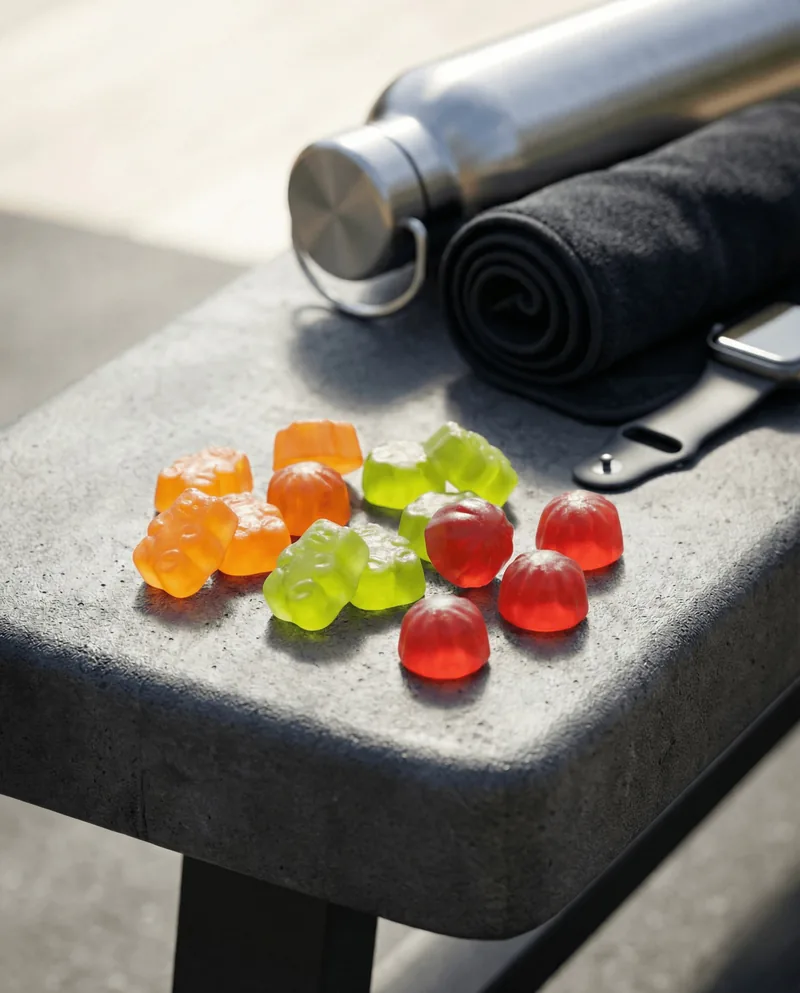
Launching a kids supplement brand requires careful planning, from concept to compliance. This guide walks brand owners through the process of working with a multi-format private-label supplement partner like DAT Supply. It covers what to prepare, how personalisation works under the Make it Yours programme, and how a project routes from brief to samples to production. The brand owner remains responsible for final claims, on-pack labelling and market compliance in each destination market. To get started, you can [order samples](/samples/) or [Start order](https://portal.dat.supply/register).
Understand the kids supplement market
The kids supplement market is growing rapidly as parents seek convenient ways to support their children's nutrition. Gummies, sachets, and jelly sticks are popular formats because they are easy for children to consume and can be formulated with appealing flavours. Before launching, brand owners should research target demographics, competitor products, and regulatory requirements in their intended markets. For example, the EU has specific rules for vitamins and minerals in children's products, while the US market follows FDA guidelines for dietary supplements. Understanding these nuances early helps avoid costly revisions later. A private-label partner can provide insights into market trends and formulation possibilities, but the brand owner must verify compliance for each country. [Browse the private label catalogue](/private-label/) to see existing formulations that can be adapted for kids.
Define your product concept and target audience
A clear product concept is the foundation of a successful launch. Start by identifying the age group (e.g., toddlers, school-age children, teens) and the specific nutritional need you want to address, such as immune support, bone health, or general wellness. Avoid making medical claims; instead, focus on functional benefits that align with regulatory allowances. Consider the format that best suits your audience: gummies are popular for younger children, while sachets or jelly sticks may appeal to older kids. Your private-label partner can help refine the concept through the Make it Yours programme, which allows you to customise flavours, colours, and nutrient profiles. The brand owner is responsible for final claims and labelling, so ensure your concept is compliant from the start. [Review MOQ and lead times](/resources/moq-lead-times/) to plan your inventory.
Select the right supplement format for children
Choosing the right format is critical for a kids supplement brand. Gummies are a top choice because they are chewable, tasty, and can be shaped into fun forms. Sachets offer portability and precise dosing, ideal for powders that can be mixed into drinks. Jelly sticks are another convenient option, providing a soft, easy-to-eat texture. DAT Supply specialises in these formats, ensuring high-quality production with child-friendly ingredients. Each format has different manufacturing considerations: gummies require careful temperature control, while sachets need moisture-proof packaging. Discuss your preferences with the manufacturer to understand lead times and minimum order quantities. The brand owner should also consider packaging design that appeals to children and parents alike. [Order samples](/samples/) to test different formats before committing.
Work with a private-label partner for customisation
Private-label manufacturing allows you to launch a kids supplement brand without building your own production facility. Under the Make it Yours programme, you can personalise formulations, flavours, colours, and packaging. This includes selecting nutrient dosages within safe limits, choosing natural sweeteners, and adding child-friendly flavours like berry or orange. The manufacturer handles production, quality control, and regulatory documentation, but the brand owner must approve all final specifications. Collaboration is key: provide a detailed brief, review prototypes, and iterate until the product meets your vision. The manufacturer can also advise on market trends and cost-saving opportunities. [Start order](https://portal.dat.supply/register) to begin the customisation process with your chosen partner.
Prepare your brand assets and packaging
Packaging is a powerful marketing tool for kids supplements. It must be child-resistant, comply with local labelling laws, and appeal to both children and parents. Work with a designer to create vibrant, engaging graphics that communicate the product's benefits without making medical claims. Include required information such as ingredients, allergen warnings, and usage instructions. Your private-label partner can provide templates and guidance on packaging materials, such as recyclable pouches or glass bottles. The brand owner is responsible for ensuring all claims on the packaging are substantiated and compliant. Consider using the [documentation route](/resources/private-label-checklist/) to track regulatory requirements for each market.
Navigate regulatory compliance for kids supplements
Regulatory compliance is one of the most complex aspects of launching a kids supplement brand. Different countries have different rules for permitted nutrients, maximum dosages, and labelling requirements. For example, the EU has strict regulations on vitamin A and iron in children's products, while the US allows a wider range of ingredients but requires specific disclaimers. Your private-label partner can provide documentation such as certificates of analysis and formulation sheets, but the brand owner must verify compliance with local authorities. Engage a regulatory consultant if needed, and always keep records of your compliance checks. [Review documentation scope](/documentation/) to understand what your manufacturer can provide.
Plan your product range and pricing strategy
A well-planned product range can attract different customer segments. Consider offering a starter product, such as a multivitamin gummy, and then expanding to targeted formulations like vitamin D or omega-3. Pricing should reflect production costs, packaging, and market positioning. Private-label manufacturing often allows for economies of scale, so larger orders can reduce per-unit costs. Work with your manufacturer to understand the cost breakdown, including raw materials, packaging, and shipping. The brand owner should also consider retail margins and promotional strategies. [Browse the private label catalogue](/private-label/) for inspiration on existing formulations that can be customised.
Order samples and test your product
Before full-scale production, ordering samples is essential to validate your product. Samples allow you to taste, test texture, and assess packaging. They also help you verify that the formulation meets your specifications and regulatory requirements. Your private-label partner will produce small batches for review, and you can request adjustments before finalising. Use this stage to gather feedback from potential customers or focus groups. The brand owner should also test the product for stability and shelf life. [Order samples](/samples/) to start the evaluation process. Once satisfied, you can proceed to production with confidence.
Scale from samples to production
Transitioning from samples to full production involves confirming order quantities, lead times, and quality control measures. Your manufacturer will provide a quote with confirmed lead times, which can vary based on formulation complexity and order size. Ensure you have adequate storage and distribution channels in place. The brand owner should maintain clear communication with the manufacturer throughout production, especially for any last-minute changes. Regular quality checks during production help maintain consistency. [Start order](https://portal.dat.supply/register) to initiate the production phase after sample approval.
Market your kids supplement brand effectively
Marketing a kids supplement brand requires a strategy that resonates with parents. Focus on the product's convenience, taste, and nutritional benefits without making medical claims. Use social media, parenting blogs, and influencer partnerships to build trust. Highlight the quality of your private-label manufacturing and any certifications, such as GMP or organic. The brand owner should also consider educational content about children's nutrition. Remember that all marketing materials must comply with advertising regulations in your target markets. [Browse the private label catalogue](/private-label/) to see how other brands position their products.
Consider international expansion opportunities
Once your brand is established in one market, consider expanding to other countries. Each new market requires separate regulatory compliance, labelling, and possibly formulation adjustments. Your private-label partner can help adapt products for different regions, such as the European market or Asia. For example, the EU has specific requirements for gummy supplements, including restrictions on certain additives. The brand owner should research demand, competition, and distribution channels in each new market. [Browse the private label catalogue](/private-label/) for formulations that are already compliant in multiple regions.
Maintain quality and consistency over time
Long-term success depends on maintaining product quality and consistency. Work with your manufacturer to establish regular quality checks, batch testing, and supplier audits. Keep detailed records of formulations and production runs. The brand owner should also monitor customer feedback and adjust formulations if needed, while staying compliant. A reliable private-label partner will support you with ongoing documentation and quality assurance. [Review MOQ and lead times](/resources/moq-lead-times/) to plan reorders efficiently.
Frequently asked questions
What are the most popular formats for kids supplements?
Gummies, sachets, and jelly sticks are the most popular formats for kids supplements. They are easy to consume, can be flavoured naturally, and are often preferred by children over pills or liquids.
How long does it take to launch a kids supplement brand?
Lead times vary depending on formulation complexity and order size. Your manufacturer will confirm lead times on the quote, but typically the process from brief to production can take several weeks to a few months.
Can I customise the flavour and colour of my kids gummies?
Yes, under the Make it Yours programme, you can customise flavours, colours, and nutrient profiles. Your private-label partner will work with you to create a product that meets your brand vision.
What regulatory documents do I need for a kids supplement?
You will need certificates of analysis, formulation sheets, and compliance documentation for each target market. The brand owner is responsible for final claims and labelling compliance.
What is the minimum order quantity for kids supplements?
Minimum order quantities depend on the format and formulation. Review MOQ and lead times with your manufacturer to plan your inventory.
Can I sell kids supplements in multiple countries?
Yes, but each country has its own regulatory requirements. Your private-label partner can help adapt formulations and documentation for different markets.
How do I ensure my kids supplement is safe?
Work with a GMP-certified manufacturer and conduct stability and quality testing. The brand owner should also verify ingredient safety for the target age group.
Related resources
- Resource
A supplement order-minimum and cost planning guide
Plan your supplement launch with this guide on order minimums and costs for private-label brand owners. Learn about Make it Yours, samples,
Read more → - Resource
Apple cider vinegar supplements: a private-label overview
Apple cider vinegar supplements: a private-label overview — a practical private-label guide for supplement brand owners. Plan formats, categ
Read more → - Resource
Ashwagandha supplements: a private-label overview
Ashwagandha supplements: a private-label overview — a practical private-label guide for supplement brand owners. Plan formats, categories an
Read more → - Resource
Biotin supplements: a private-label overview
Biotin supplements: a private-label overview — a practical private-label guide for supplement brand owners. Plan formats, categories and doc
Read more → - Resource
Collagen supplements: a private-label overview
Collagen supplements: a private-label overview — a practical private-label guide for supplement brand owners. Plan formats, categories and d
Read more → - Resource
Creatine supplements: a private-label overview
Creatine supplements: a private-label overview — a practical private-label guide for supplement brand owners. Plan formats, categories and d
Read more → - Resource
Doypack supplement packaging explained
Doypack supplement packaging explained — a practical private-label guide for supplement brand owners. Plan formats, categories and documenta
Read more → - Resource
Electrolyte supplements: a private-label overview
Electrolyte supplements: a private-label overview — a practical private-label guide for supplement brand owners. Plan formats, categories an
Read more →
Where to next?
Browse the reviewed catalogue, request samples, or start an order when you're ready — the DAT Supply portal routes your brief through the right review step.