Launching a sports nutrition brand requires a clear strategy, a reliable manufacturing partner, and a product range that stands out in a competitive market. This guide walks brand owners through the key steps—from market research and formulation to packaging and compliance—when working with a multi-format private-label supplement manufacturer. It explains how the Make it Yours personalisation programme works, how DAT Supply routes a project from brief to samples to production, and what to prepare before placing an order. The brand owner remains responsible for final claims, on-pack labelling and market compliance in each destination market. To get started, you can order samples or [Start order](https://portal.dat.supply/register) once your concept is ready.
Define your brand concept and target audience
Before engaging with a manufacturer, the brand owner must define the brand concept and target audience. This includes identifying the specific sports nutrition category—such as pre-workout, recovery, hydration, or protein supplementation—and the primary consumer demographic. For example, a brand targeting endurance athletes will have different formulation needs than one focused on strength training. The concept should also outline the product format: gummies, sachets, jelly sticks, oral strips, pet soft chews, or functional jellies. Each format offers unique benefits for sports nutrition, such as portability, precise dosing, or rapid absorption. The brand owner should also consider the desired flavour profile, packaging design, and brand story. A clear concept helps the manufacturer provide accurate quotes and timelines. To explore existing formulations and packaging options, Browse the private label catalogue for inspiration. The brand owner should also research competitors and market trends to identify gaps and opportunities. For instance, a brand focusing on plant-based protein gummies for vegan athletes could differentiate itself in a crowded market. This foundational work ensures that the product meets consumer needs and stands out on the shelf. The manufacturer can then tailor the Make it Yours programme to the brand's vision, allowing for customisation of ingredients, flavours, and packaging without requiring a full custom formulation. The brand owner should also define the brand's unique selling proposition, such as using organic ingredients or sustainable packaging, to appeal to eco-conscious consumers.
Understand the regulatory landscape for sports nutrition
Sports nutrition products are subject to specific regulations that vary by market. The brand owner must understand the legal framework in their target countries, including ingredient restrictions, labelling requirements, and permitted health claims. For example, in the European Union, sports nutrition products fall under food supplement regulations, which prohibit medical claims and require compliance with novel food authorisations. In the United States, the FDA regulates dietary supplements under DSHEA, with different labelling rules. The brand owner should work with a manufacturer that provides documentation to support compliance, such as certificates of analysis, ingredient specifications, and finished product testing. It is essential to review documentation scope early in the process to ensure all necessary paperwork is available. The manufacturer can also advise on common pitfalls, such as using ingredients that are not approved in certain markets. For instance, beta-alanine is widely used in pre-workout formulas but may require specific labelling in some regions. The brand owner remains responsible for final claims and labelling, so a thorough review of regulations is critical. Engaging a regulatory consultant may be beneficial for complex markets. By understanding the rules upfront, the brand owner can avoid costly reformulations and delays. The manufacturer's quality team can provide guidance on stability testing and shelf-life determination to meet regulatory standards.
Select the right product formats for your range
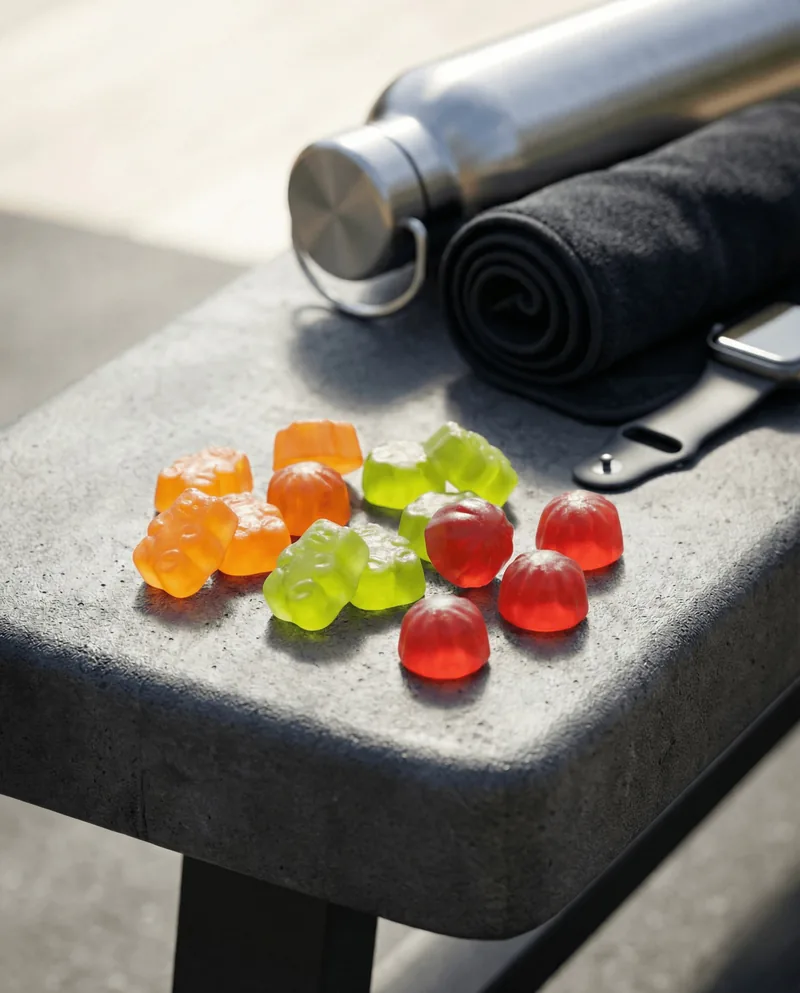
Choosing the right product format is crucial for a sports nutrition brand's success. DAT Supply offers gummies, sachets, jelly sticks, oral strips, pet soft chews, and functional jellies—each with distinct advantages. Gummies are popular for their taste and ease of consumption, ideal for daily supplements like vitamins or electrolytes. Sachets are perfect for single-serving powders, such as pre-workout or protein blends, offering convenience and precise dosing. Jelly sticks provide a unique texture and are great for on-the-go energy or recovery. Oral strips dissolve quickly, making them suitable for rapid delivery of active ingredients. Pet soft chews cater to the growing market of sports nutrition for active pets. Functional jellies combine a dessert-like experience with nutritional benefits. The brand owner should consider the target audience's preferences, the product's intended use, and the logistics of packaging and shipping. For example, a brand targeting gym-goers might prioritise sachets for portability, while a brand focused on endurance athletes could opt for gummies for easy consumption during exercise. To see examples of each format, Browse the private label catalogue and filter by format. The manufacturer can also provide guidance on which formats work best for specific ingredients and claims. For instance, oral strips are ideal for ingredients requiring rapid absorption, such as caffeine or B vitamins.
Develop your product formulations with Make it Yours
The Make it Yours programme allows brand owners to customise existing formulations without the cost and time of full custom development. The brand owner can select from a library of base formulations for various sports nutrition categories, then adjust ingredients, dosages, flavours, and colours to create a unique product. For example, a pre-workout gummy can be tailored with specific stimulants, amino acids, and natural flavours. The manufacturer provides a formulation brief that outlines the available options and any limitations, such as ingredient stability or compatibility. The brand owner should consider the target market's preferences, such as vegan, organic, or allergen-free options. The manufacturer can produce samples for evaluation, allowing the brand owner to test taste, texture, and efficacy. It is important to review MOQ and lead times before finalising the formulation, as customisation may affect minimum order quantities and production timelines. The brand owner should also ensure that the final formulation complies with regulations in the target markets. The manufacturer's quality team can assist with stability testing and shelf-life determination. By leveraging Make it Yours, the brand owner can launch a differentiated product quickly and cost-effectively. For instance, a brand could create a unique electrolyte gummy with a tropical flavour blend that stands out on the shelf.
Design packaging that communicates brand identity
Packaging is a critical component of a sports nutrition brand, as it communicates the brand identity and provides essential information to consumers. The brand owner should design packaging that aligns with the brand concept, including colours, logos, and messaging. For private-label products, the manufacturer can offer standard packaging options that can be customised with the brand's artwork. The brand owner should consider the packaging format—such as pouches, bottles, or boxes—and the material, such as recyclable or biodegradable options. The label must include required information like ingredient lists, nutritional facts, and any disclaimers. It is advisable to review documentation scope to ensure all regulatory requirements are met. The manufacturer can provide templates and specifications for artwork, and may offer design assistance. The brand owner should also think about shelf appeal and how the packaging will stand out in retail or online. For example, a sleek, minimalist design may appeal to a premium audience, while bold colours and graphics may attract a younger demographic. The packaging should also be practical for the product format, such as resealable pouches for sachets or child-resistant containers for gummies. Once the design is finalised, the manufacturer can produce samples for approval before full production. The brand owner should also consider the unboxing experience, as it can enhance brand loyalty and encourage social media sharing.
Plan your supply chain and inventory management
A successful sports nutrition brand requires a well-planned supply chain to ensure product availability and cost efficiency. The brand owner should work with the manufacturer to determine lead times, minimum order quantities, and shipping logistics. It is essential to review MOQ and lead times early in the process to align with launch timelines. The brand owner should also consider inventory holding costs and demand forecasting to avoid stockouts or overstock. The manufacturer can provide guidance on batch sizes and production schedules. For international distribution, the brand owner must factor in customs clearance, duties, and local regulations. The manufacturer may offer warehousing and fulfilment services, or the brand owner can arrange third-party logistics. It is also important to have a contingency plan for supply chain disruptions, such as raw material shortages or shipping delays. The brand owner should maintain open communication with the manufacturer to adjust orders as needed. By planning the supply chain carefully, the brand owner can ensure a smooth launch and ongoing product availability. For instance, a brand launching a new protein sachet line should coordinate with the manufacturer to align production with marketing campaigns and retail shelf dates.
Create a marketing strategy for your sports nutrition brand
A robust marketing strategy is essential to build brand awareness and drive sales. The brand owner should identify key marketing channels, such as social media, influencer partnerships, e-commerce platforms, and retail distribution. Content marketing, including blog posts and videos about sports nutrition, can establish the brand as an authority. The brand owner should also consider sampling programmes to generate reviews and word-of-mouth. The manufacturer can provide product samples for marketing purposes, and the brand owner can order samples to distribute to influencers or potential customers. It is important to align marketing claims with regulatory requirements; the brand owner must ensure that all claims are substantiated and compliant. The brand owner should also develop a unique selling proposition that differentiates the brand from competitors, such as using novel ingredients or sustainable packaging. Tracking key performance indicators like website traffic, conversion rates, and customer acquisition costs will help refine the strategy. The manufacturer may offer co-marketing support or case studies that the brand owner can use in promotional materials. By investing in a comprehensive marketing plan, the brand owner can maximise the impact of the product launch. For example, a brand could partner with a fitness influencer to create a limited-edition flavour, generating buzz and driving sales.
Navigate the sampling and approval process
Before full production, the brand owner must go through a sampling and approval process to ensure the product meets expectations. After finalising the formulation and packaging design, the manufacturer produces samples for evaluation. The brand owner should test the samples for taste, texture, appearance, and stability. It is advisable to involve a panel of target consumers for feedback. The manufacturer can provide multiple iterations if adjustments are needed. Once the samples are approved, the brand owner signs off on the final product specifications. The manufacturer then produces a pre-production batch for quality control testing. The brand owner should review MOQ and lead times to understand the timeline from sample approval to production. The manufacturer will issue a certificate of analysis and other documentation. The brand owner should keep records of all approvals for regulatory purposes. This process ensures that the final product matches the brand's vision and meets quality standards. The manufacturer's quality team can also assist with any necessary adjustments before mass production. For instance, if a gummy sample has an off-flavour, the manufacturer can tweak the flavouring and produce a revised sample within a few days.
Scale your brand with a multi-format approach
As the sports nutrition brand grows, expanding into multiple product formats can increase market reach and customer loyalty. The brand owner can leverage the manufacturer's multi-format capabilities to introduce new products, such as adding a gummy version of a popular powder formula or creating a jelly stick for a different use case. The Make it Yours programme allows for consistent branding across formats while tailoring each product to its specific audience. For example, a brand that started with protein sachets could launch electrolyte gummies for hydration and oral strips for quick energy. The manufacturer can provide guidance on cross-format formulation compatibility and production efficiencies. The brand owner should also consider seasonal or limited-edition products to maintain consumer interest. To explore format options, Browse the private label catalogue and filter by category. The manufacturer can also advise on market trends, such as the growing demand for functional jellies in sports nutrition. By diversifying the product range, the brand owner can capture more shelf space and increase average order value. For instance, a brand could introduce a line of pet soft chews for active dogs, tapping into the pet sports nutrition niche.
Ensure ongoing compliance and quality control
Maintaining compliance and quality control is an ongoing responsibility for the brand owner. The manufacturer should provide batch-specific documentation, including certificates of analysis, stability data, and ingredient sourcing records. The brand owner should regularly review documentation scope to ensure all records are up to date. It is also important to monitor regulatory changes in target markets, as ingredient approvals or labelling requirements may evolve. The brand owner should conduct periodic audits of the manufacturing facility to ensure good manufacturing practices are followed. The manufacturer may offer third-party testing services for additional verification. The brand owner should also have a system for handling consumer complaints or adverse events. By staying proactive, the brand owner can mitigate risks and maintain consumer trust. The manufacturer's quality team can support with training and updates on best practices. Ultimately, the brand owner is responsible for the product's safety and compliance, so a strong partnership with the manufacturer is key. For example, if a new regulation limits the use of a certain ingredient, the manufacturer can help reformulate the product to remain compliant.
Leverage market trends to stay competitive
The sports nutrition market is dynamic, with new trends emerging regularly. The brand owner should stay informed about consumer preferences, such as plant-based proteins, adaptogens, nootropics, and personalised nutrition. The manufacturer can provide insights into ingredient innovations and format trends. For example, functional jellies are gaining popularity for their texture and versatility. The brand owner can also explore niche segments like sports nutrition for women, older adults, or specific sports. To capitalise on trends, the brand owner can use the Make it Yours programme to quickly develop new products. It is also beneficial to review MOQ and lead times to ensure the brand can respond rapidly to market demands. The brand owner should attend industry trade shows and network with other professionals. By staying ahead of trends, the brand owner can differentiate the brand and capture early adopters. The manufacturer can also provide market research reports or case studies to inform product development. For instance, a brand could launch a line of adaptogen-infused gummies for stress recovery, targeting athletes who prioritise mental wellness.
Build a long-term partnership with your manufacturer
A successful sports nutrition brand often relies on a strong, long-term relationship with the manufacturer. The brand owner should communicate openly about goals, challenges, and feedback. Regular meetings and performance reviews can help align expectations. The manufacturer can offer volume discounts, priority production slots, and access to new formulations for loyal partners. The brand owner should also consider the manufacturer's capabilities for future expansion, such as entering new markets or adding new formats. To start the partnership, the brand owner can [Start order](https://portal.dat.supply/register) after finalising the product concept. The manufacturer's team can provide ongoing support for marketing, compliance, and supply chain management. By building trust and collaboration, both parties can grow together. The brand owner should also seek references from other clients to ensure the manufacturer's reliability. A long-term partnership can lead to faster product development, better pricing, and a competitive edge in the market. For example, a brand that consistently orders large volumes may receive preferential pricing and faster turnaround times for new product launches.
Frequently asked questions
What is the first step to launch a sports nutrition brand?
The first step is to define your brand concept, target audience, and product category. Research the market to identify gaps and opportunities, then choose a product format that suits your audience, such as gummies or sachets. Contact a private-label manufacturer to discuss your vision and request a quote.
How long does it take to develop a private-label sports nutrition product?
Can I customise the formulation of a private-label sports nutrition product?
Yes, through the Make it Yours programme, you can customise base formulations by adjusting ingredients, flavours, and colours. This allows for a unique product without the cost of full custom development. The manufacturer will provide a formulation brief with available options.
What documentation do I need for regulatory compliance?
You will need certificates of analysis, ingredient specifications, finished product testing reports, and labelling compliance documents. The manufacturer provides these as part of the service. It is important to review documentation scope to ensure all requirements are met for your target markets.
What are the minimum order quantities for private-label sports nutrition?
Minimum order quantities vary by product format and formulation complexity. Typically, they range from 1,000 to 10,000 units per SKU. The brand owner should review MOQ and lead times to plan inventory and budget accordingly.
How can I ensure my sports nutrition brand stands out?
Focus on a unique brand identity, innovative flavours, and targeted marketing. Leverage the manufacturer's multi-format capabilities to offer a diverse product range. Use the Make it Yours programme to create custom formulations that address specific consumer needs, such as vegan or allergen-free options.
What are the most popular formats for sports nutrition supplements?
Popular formats include gummies for convenience, sachets for single-serving powders, jelly sticks for on-the-go energy, and oral strips for rapid absorption. The choice depends on the target audience and product use. The manufacturer can provide samples to test different formats.
Can I sell sports nutrition products internationally?
Yes, but you must comply with regulations in each destination market. The manufacturer can provide documentation to support compliance, but the brand owner is responsible for final claims and labelling. It is advisable to work with a regulatory consultant for complex markets.
Related resources
- Resource
A supplement order-minimum and cost planning guide
Plan your supplement launch with this guide on order minimums and costs for private-label brand owners. Learn about Make it Yours, samples,
Read more → - Resource
Apple cider vinegar supplements: a private-label overview
Apple cider vinegar supplements: a private-label overview — a practical private-label guide for supplement brand owners. Plan formats, categ
Read more → - Resource
Ashwagandha supplements: a private-label overview
Ashwagandha supplements: a private-label overview — a practical private-label guide for supplement brand owners. Plan formats, categories an
Read more → - Resource
Biotin supplements: a private-label overview
Biotin supplements: a private-label overview — a practical private-label guide for supplement brand owners. Plan formats, categories and doc
Read more → - Resource
Collagen supplements: a private-label overview
Collagen supplements: a private-label overview — a practical private-label guide for supplement brand owners. Plan formats, categories and d
Read more → - Resource
Creatine supplements: a private-label overview
Creatine supplements: a private-label overview — a practical private-label guide for supplement brand owners. Plan formats, categories and d
Read more → - Resource
Doypack supplement packaging explained
Doypack supplement packaging explained — a practical private-label guide for supplement brand owners. Plan formats, categories and documenta
Read more → - Resource
Electrolyte supplements: a private-label overview
Electrolyte supplements: a private-label overview — a practical private-label guide for supplement brand owners. Plan formats, categories an
Read more →
Where to next?
Browse the reviewed catalogue, request samples, or start an order when you're ready — the DAT Supply portal routes your brief through the right review step.