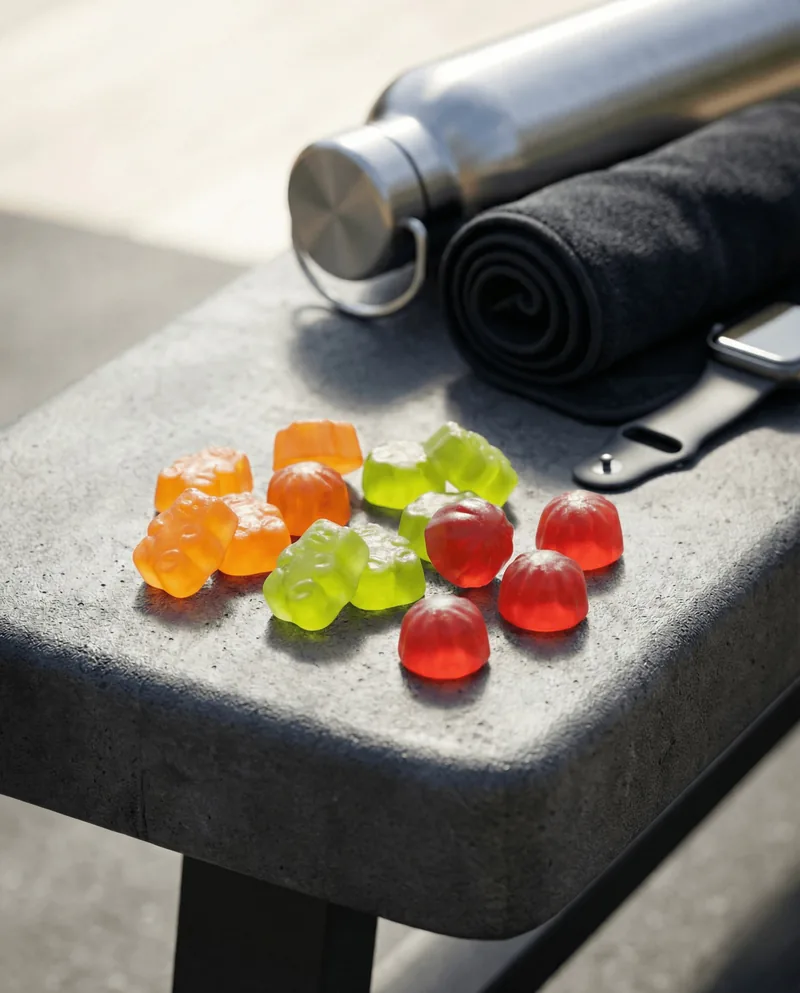
Moving from supplement samples to production is a critical step for any brand owner scaling a private-label product. This guide explains how to prepare your brief, navigate the Make it Yours personalisation process, and work with a multi-format manufacturer to go from concept to commercial order. Whether you are launching a new gummy or expanding a sachet line, understanding the route from sample approval to production run helps you avoid delays and manage expectations. The brand owner remains responsible for final claims, on-pack labelling and market compliance in each destination market.
Understanding the sample-to-production journey
The transition from supplement samples to production is a structured process that involves several key stages. For brand owners working with a private-label manufacturer, the journey typically begins with a product brief and ends with a confirmed commercial order. Understanding each stage helps you plan resources, timelines, and budgets effectively. The first step is to define your product concept, including the format, flavour, active ingredients, and packaging preferences. Once the brief is submitted, the manufacturer reviews it for feasibility and provides a quote that includes lead times and minimum order quantities. After the quote is accepted, sample development begins. Samples are produced in small batches to test formulation, taste, texture, and stability. You may go through one or more rounds of revisions before the sample is approved. Only after sample approval does the project move to production. This ensures that the final product matches your specifications exactly. Throughout the process, clear communication between your team and the manufacturer is essential. Browse the private label catalogue to see available base formulations that can be customised under the Make it Yours programme.
Preparing your product brief for sample development
A well-prepared product brief accelerates the sample development process and reduces the need for multiple revision rounds. Start by specifying your target market and any regulatory requirements for that region. For example, if you are launching in Europe, you may need to comply with EU novel food regulations or specific labelling rules. Next, define the product format. DAT Supply specialises in gummies, sachets, jelly sticks, oral strips, pet soft chews, and functional jellies. Choose the format that best suits your brand and consumer needs. Then, list the active ingredients and their target dosages per serving. While you cannot make medical claims, you can indicate the intended benefit, such as energy support or immune function. Include flavour preferences, colour, and any texture requirements. Also, specify packaging type, size, and design preferences. The more detail you provide, the closer the first sample will be to your vision. Remember that the manufacturer can offer guidance on formulation stability and taste masking, but the final responsibility for claims and compliance rests with you. Once your brief is ready, submit it through the manufacturer's portal or contact your account manager. Order samples to begin the evaluation process.
The Make it Yours personalisation process
Make it Yours is DAT Supply's personalisation programme that allows brand owners to customise existing base formulations without starting from scratch. This approach reduces development time and cost while still offering a unique product. Under Make it Yours, you can adjust active ingredient levels, change flavours, modify colours, and select custom packaging. The programme covers all commercial formats: gummies, sachets, jelly sticks, oral strips, pet soft chews, and functional jellies. To use Make it Yours, start by reviewing the available base formulations in the private label catalogue. Each base has a defined nutrient profile and format. You then specify your desired modifications within the allowed ranges. The manufacturer will produce a sample reflecting those changes. If the sample meets your expectations, you can proceed to production with confidence. This process is faster than developing a completely new formulation because the base has already been tested for stability and manufacturing scalability. For brand owners new to private label, Make it Yours offers a low-risk entry point. You can review MOQ and lead times to understand the minimum order quantities and typical timelines for personalised products.
What to expect during sample production
Sample production is a small-scale run that mimics the commercial manufacturing process. For gummies, this involves mixing ingredients, depositing into moulds, drying, and packaging. For sachets, it includes blending powders and filling into pouches. The sample batch size is typically enough for stability testing, sensory evaluation, and packaging trials. Expect the manufacturer to provide a sample approval form that includes specifications such as appearance, taste, texture, and active ingredient content. You should conduct your own internal review, involving key stakeholders like marketing, quality assurance, and regulatory affairs. If the sample does not meet your requirements, provide specific feedback so the manufacturer can adjust the formulation. Multiple sample rounds are common, especially when fine-tuning flavour or texture. The goal is to achieve a sample that is production-ready. Once approved, the sample serves as the reference standard for the commercial run. The manufacturer will retain a retain sample for quality control purposes. Throughout this phase, maintain open communication with your manufacturer to address any issues promptly. [Start order](https://portal.dat.supply/register) once the sample is approved to initiate production.
Evaluating sample quality and consistency
Before moving to production, it is essential to evaluate the sample for quality and consistency. This includes assessing physical attributes such as colour, shape, and size uniformity. For gummies, check for stickiness, hardness, and mouthfeel. For sachets, verify powder flowability and dissolution. Taste and flavour intensity should match your brief. Also, consider packaging integrity: does the seal hold, and is the label aligned? If your product contains active ingredients, you may want to send the sample to a third-party lab for potency testing to ensure it meets label claims. The manufacturer can provide a certificate of analysis for the batch, but independent verification adds confidence. Consistency across multiple samples from the same batch is also important. If you plan to order multiple production runs, the sample should be reproducible. Discuss with the manufacturer how they ensure batch-to-batch consistency, such as through standard operating procedures and quality control checks. Once you are satisfied with the sample quality, you can proceed to production planning. Review documentation scope to understand what regulatory documents the manufacturer can provide to support your market entry.
Planning the production run
After sample approval, the next step is to plan the production run. This involves confirming the order quantity, packaging specifications, and delivery timeline. The manufacturer will provide a production schedule based on current capacity and your order size. Minimum order quantities vary by format and complexity. For example, gummies may have a higher MOQ than sachets due to mould setup costs. Discuss your volume requirements with the manufacturer to find a cost-effective solution. You may also need to order packaging materials, which can have their own lead times. If you are using custom packaging, ensure the artwork is finalised and approved before production begins. The manufacturer will typically require a deposit to secure the production slot. The balance is due before shipment. During production, the manufacturer will conduct in-process quality checks and final inspection. You can request photos or video updates. Once the batch is complete, samples from the production run are sent to you for final approval before shipment. This step ensures that the commercial product matches the approved sample. [Start order](https://portal.dat.supply/register) to begin the production process.
Managing lead times and production scheduling
Lead times for supplement production vary depending on formulation complexity, format, order volume, and current factory capacity. Typically, the timeline from sample approval to shipment ranges from several weeks to a few months. It is important to discuss lead times early in the process and factor them into your product launch calendar. The manufacturer can provide a confirmed lead time on the quote. To avoid delays, ensure all specifications are finalised before production begins. Changes after the production slot is booked can cause rescheduling. Also, consider seasonal demand: many brands launch products in Q1 or Q4, so factory capacity may be tighter during those periods. Planning your production run well in advance gives you more flexibility. If you need faster turnaround, ask about expedited options, though these may incur additional costs. Once production is complete, shipping time adds to the overall timeline. Factor in customs clearance if importing. For brand owners targeting the European market, working with a manufacturer that understands EU regulations can streamline the process. Review MOQ and lead times for typical ranges across formats.
Scaling from sample to commercial volume
Scaling from a small sample batch to a full production run requires careful planning to maintain product quality. The manufacturer uses the same formulation and process, but equipment may differ between sample and production scales. For example, a lab-scale mixer may produce a different shear rate than a production-scale mixer, potentially affecting texture. The manufacturer should conduct a scale-up trial to validate that the production batch matches the sample. This trial may involve a pilot batch that is larger than the sample but smaller than the full order. Once the scale-up is validated, the full production run can proceed. It is also important to consider ingredient sourcing: some raw materials may have longer lead times at commercial volumes. The manufacturer can advise on ingredient availability and potential substitutions. As you scale, you may also want to negotiate pricing based on volume. Larger orders typically have lower per-unit costs. Discuss tiered pricing with your manufacturer to optimise your margins. Browse the private label catalogue to see base formulations that are already scaled for production.
Ensuring regulatory compliance for your market
Regulatory compliance is a critical aspect of moving from samples to production. Each destination market has its own rules regarding ingredient approvals, labelling, and claims. As the brand owner, you are responsible for ensuring your product meets all applicable regulations. The manufacturer can provide documentation such as certificates of analysis, allergen statements, and formulation details to support your compliance efforts. For the European market, you may need to comply with EU food supplements directive 2002/46/EC, novel food regulations, and labelling requirements under EU FIC. For the UK market, post-Brexit regulations apply. If you are targeting multiple countries, check each one's specific requirements. Some ingredients may be restricted in certain markets. The manufacturer can help you identify potential issues early in the development process. It is advisable to review documentation scope to understand what documents the manufacturer can provide and what you need to source independently. Engaging a regulatory consultant can also be beneficial for complex markets.
Finalising packaging and labelling
Packaging and labelling are the final steps before production. Your packaging must protect the product, comply with regulations, and appeal to your target audience. For gummies, consider using stand-up pouches with resealable zippers or jars. For sachets, single-serve pouches are common. The manufacturer can source standard packaging options or you can supply custom packaging. Labelling must include the product name, ingredient list, net weight, best-before date, storage conditions, and any mandatory warnings. Claims such as 'vitamin C contributes to normal immune function' are allowed if substantiated, but you cannot make medical claims. Ensure your label artwork is reviewed by a regulatory expert before printing. The manufacturer can print labels or apply pre-printed labels to your packaging. Allow time for label proofing and approval. Once packaging is finalised, the production run can proceed. After production, the manufacturer will palletise and prepare the shipment. [Start order](https://portal.dat.supply/register) to finalise your packaging and labelling requirements.
Post-production quality checks and shipment
After production, the manufacturer conducts final quality checks to ensure the batch meets specifications. This includes visual inspection, weight checks, seal integrity tests, and microbiological testing if required. A sample from the production run is retained for future reference. You will receive a certificate of analysis and a packing list. Before shipment, you can request photos of the pallets or a video of the production line. The manufacturer will coordinate shipping based on your instructions. Choose a freight forwarder experienced in supplement logistics to ensure proper handling and temperature control if needed. Once the shipment arrives, inspect the goods promptly and report any discrepancies. Retain samples from the shipment for your own quality assurance. With the product now in your warehouse, you can begin distribution. Remember that the brand owner remains responsible for final claims, on-pack labelling and market compliance in each destination market. Order samples of your production batch to keep for reference.
Frequently asked questions
How long does it take to move from sample to production?
The timeline varies based on formulation complexity, format, and order volume. Typically, after sample approval, production lead time is confirmed on the quote and can range from several weeks to a few months. Discuss your timeline with the manufacturer during the quoting stage.
Can I make changes to the formulation after the sample is approved?
Changes after sample approval may require a new sample round and could delay production. It is best to finalise all specifications before approving the sample. Minor adjustments may be possible, but discuss with the manufacturer to understand the impact on timeline and cost.
What is the minimum order quantity for private-label supplements?
Minimum order quantities vary by format and product complexity. For example, gummies may have a higher MOQ than sachets. The manufacturer will provide the MOQ in the quote. You can review typical MOQs and lead times in the resources section.
Do I need to provide my own packaging?
You can either use standard packaging options offered by the manufacturer or supply your own custom packaging. If you supply your own, ensure it meets the manufacturer's specifications for filling and sealing. Discuss packaging requirements during the quoting phase.
How do I ensure my product complies with regulations in my target market?
As the brand owner, you are responsible for regulatory compliance. The manufacturer can provide documentation such as certificates of analysis and formulation details. You may need to consult a regulatory expert for your specific market. Review the documentation scope available from the manufacturer.
Can I order a sample before committing to a full production run?
Yes, ordering samples is the standard first step. You can evaluate the formulation, taste, and packaging before placing a production order. Use the order samples link to get started.
What formats are available for private-label supplements?
DAT Supply offers gummies, sachets, jelly sticks, oral strips, pet soft chews, and functional jellies. Each format has different characteristics and benefits. Browse the private label catalogue to see available options.
Related resources
- Resource
A supplement order-minimum and cost planning guide
Plan your supplement launch with this guide on order minimums and costs for private-label brand owners. Learn about Make it Yours, samples,
Read more → - Resource
Apple cider vinegar supplements: a private-label overview
Apple cider vinegar supplements: a private-label overview — a practical private-label guide for supplement brand owners. Plan formats, categ
Read more → - Resource
Ashwagandha supplements: a private-label overview
Ashwagandha supplements: a private-label overview — a practical private-label guide for supplement brand owners. Plan formats, categories an
Read more → - Resource
Biotin supplements: a private-label overview
Biotin supplements: a private-label overview — a practical private-label guide for supplement brand owners. Plan formats, categories and doc
Read more → - Resource
Collagen supplements: a private-label overview
Collagen supplements: a private-label overview — a practical private-label guide for supplement brand owners. Plan formats, categories and d
Read more → - Resource
Creatine supplements: a private-label overview
Creatine supplements: a private-label overview — a practical private-label guide for supplement brand owners. Plan formats, categories and d
Read more → - Resource
Doypack supplement packaging explained
Doypack supplement packaging explained — a practical private-label guide for supplement brand owners. Plan formats, categories and documenta
Read more → - Resource
Electrolyte supplements: a private-label overview
Electrolyte supplements: a private-label overview — a practical private-label guide for supplement brand owners. Plan formats, categories an
Read more →
Where to next?
Browse the reviewed catalogue, request samples, or start an order when you're ready — the DAT Supply portal routes your brief through the right review step.