Camellia sinensis leaf extract
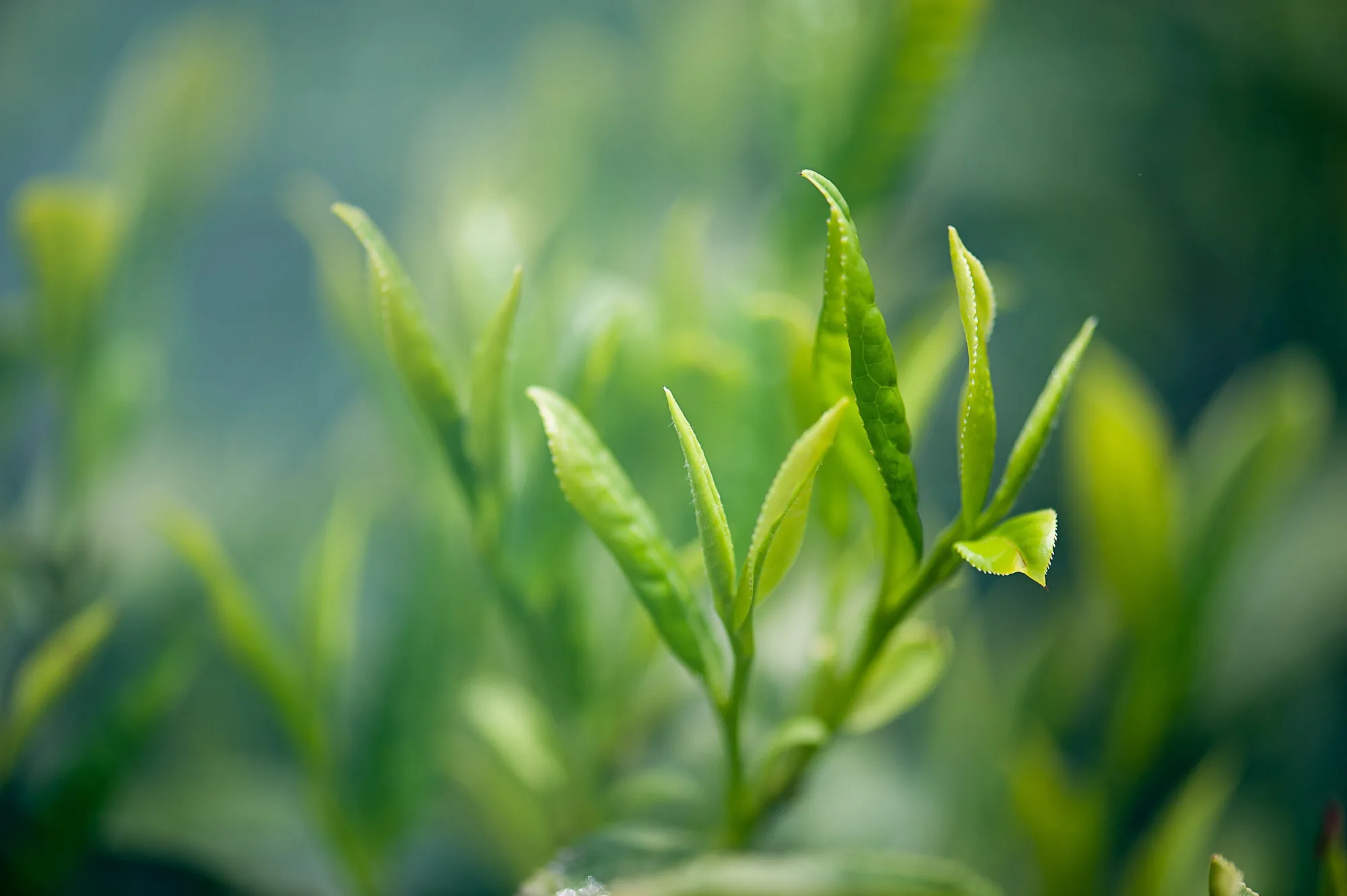
Camellia sinensis leaf extract is a botanical ingredient derived from green tea leaves, standardised for polyphenol content including epigallocatechin gallate (EGCG). It is one of the most familiar and commercially understood gummy actives across EU and US markets. No EFSA-authorised health claim exists for this botanical under Reg. (EU) 432/2012; claim coverage comes from co-formulated nutrients.
- antioxidant support
- energy and vitality
- weight and metabolism
At a glance
- Definition
- Camellia sinensis leaf extract is a botanical ingredient derived from green tea leaves, standardised for polyphenol content including epigallocatechin gallate (EGCG). It is one of the most familiar and commercially understood gummy actives across EU and US markets. No EFSA-authorised health claim exists for this botanical under Reg. (EU) 432/2012; claim coverage comes from co-formulated nutrients.
- Common positionings
- antioxidant support
- energy and vitality
- weight and metabolism
- daily wellness
- healthy ageing
- Format suitability
- Reviewed for gummies and sachets — confirmed per project.
Where this ingredient fits in the DAT Supply catalogue
Every format chip links through to its manufacturing hub and to the private-label catalogue for that format. The category chip routes to the matching vertical hub on the categories index.
- Botanicals & mushrooms
- Browse all ingredients
What it is
Camellia sinensis leaf extract is a botanical ingredient derived from the leaves of the green tea plant. It is standardised for its polyphenol content, particularly epigallocatechin gallate (EGCG), which is the most abundant catechin. The extract is widely used in dietary supplements for its antioxidant properties and is one of the most familiar and commercially understood gummy actives across EU and US markets.
Brands use Camellia sinensis leaf extract in gummy formats to position products around energy and vitality, weight and metabolism, and daily wellness. Its low cost tier and good gummy applicability make it an accessible ingredient for private-label ranges. Because it is a botanical on the EFSA on-hold list, no authorised health claims exist under Reg. (EU) 432/2012, so claim coverage must come from co-formulated nutrients such as Vitamin C or Magnesium.
Origin and history
Camellia sinensis is the plant species from which all true teas — green, black, white, and oolong — are produced. Native to East Asia, it has been cultivated for thousands of years, with green tea consumption traditionally associated with health and longevity in Chinese and Japanese cultures. The leaves are harvested, steamed or pan-fired to prevent oxidation, then dried to produce green tea.
Industrial production of Camellia sinensis leaf extract involves solvent extraction (typically water or ethanol) of dried green tea leaves, followed by concentration and standardisation to a specified EGCG content. The extract is then spray-dried or freeze-dried into a powder suitable for encapsulation, tableting, or incorporation into gummy formulations. Decaffeinated versions are also available for brands targeting evening or sensitive-consumer segments.
Scientific overview
Camellia sinensis leaf extract contains a complex mixture of polyphenols, primarily catechins such as epigallocatechin gallate (EGCG), epicatechin gallate (ECG), and epigallocatechin (EGC). These compounds are potent antioxidants that scavenge free radicals and chelate transition metals. EGCG is the most studied catechin and is believed to be responsible for many of the extract's biological activities. The extract also contains caffeine (typically 2-4% by weight), theanine, and other methylxanthines.
Bioavailability of catechins is relatively low due to extensive first-pass metabolism and efflux transport. Co-administration with Vitamin C or piperine may enhance absorption, though this is formulation-dependent. The extract is heat-stable and soluble in gummy matrices, making it suitable for standard gummy manufacturing processes. Standardisation to EGCG content (typically 45-98% polyphenols) ensures batch-to-batch consistency.
Manufacturing watchpoints include potential oxidation of catechins during processing, which can reduce potency and cause discolouration. The bitter taste of catechins requires moderate masking, typically achieved with fruit flavours or sweeteners. Cost-per-mg is low, making it an economical active for high-volume gummy production. Decaffeinated versions are available but may have slightly different solubility profiles.
Why brands use Camellia sinensis leaf extract
Camellia sinensis leaf extract is one of the most familiar and commercially understood gummy actives across EU and US markets. Brands position it around antioxidant support, energy and vitality, weight and metabolism, and daily wellness. Its low cost tier and good gummy applicability make it an accessible ingredient for private-label ranges, particularly for brands targeting health-conscious consumers seeking natural, plant-based ingredients.
From a formulation and manufacturing perspective, Camellia sinensis leaf extract is heat-stable and soluble in gummy matrices, which simplifies processing. The mild botanical taste requires moderate masking, typically achieved with fruit flavours or sweeteners. Standardisation to EGCG content ensures batch-to-batch consistency, and the extract is compatible with standard gummy manufacturing equipment. Decaffeinated versions are available for brands targeting evening or sensitive-consumer segments.
For pack copy, brands must adhere to strict claim discipline. Because Camellia sinensis leaf extract is a botanical on the EFSA on-hold list, no authorised health claims exist under Reg. (EU) 432/2012. Claim coverage must come from co-formulated nutrients such as Vitamin C (for antioxidant protection) or Magnesium (for energy metabolism). DAT reviews all claim wording per project to ensure compliance with EU and UK regulations. No disease claims, no "anti-inflammatory" wording, and no certification promises on pack until confirmed per project and batch.
Formats this ingredient is reviewed for
DAT Supply covers gummy, capsule, softgel, tablet, powder, oral strip, liquid drop, shot, jelly and pet formats. The list below reflects every format this ingredient is reviewed for — chips link through to the manufacturing hub for each format. Final compatibility, dose and matrix are confirmed per project.
Formulation notes
Verified formulation reference across the formats this ingredient is reviewed for — the Supported formats section lists every product format this active is approved for, and the per-format Considerations section below covers matrix-specific guidance. Final formulation, dose and on-pack copy are confirmed per project.
- Gummy fit
- Good
- Heat stable
- Yes
- Soluble in matrix
- Yes
- Cost tier
- Low
Forms available
- Standardised extract (EGCG content varies), decaffeinated extract, whole leaf powder
Dosage reference
Brand positioning typically ranges from 200 mg to 800 mg per serving. No EFSA-authorised health claim for Camellia sinensis leaf extract alone. Claim coverage comes from co-formulated nutrients.
Taste & sensory
Mild botanical taste. Moderate masking needed.
Manufacturing notes
No specific formulation notes. Standard processing applies.
Per-format formulation notes
Safe-baseline considerations for each format this ingredient is reviewed for. Final formulation, dose and on-pack copy are confirmed per project.
Gummies
- Taste masking and aroma load against the cooked-base flavour — confirmed per project.
- Heat exposure during cooking; coated or encapsulated forms may be required — confirmed per project.
- Matrix choice (pectin vs gelatin) and its effect on ingredient stability — confirmed per project.
- Per-gummy dose and serving count needed to hit the label claim — confirmed per project.
Sachets
- Powder flow and dose accuracy at single-serve sachet weights — confirmed per project.
- Barrier requirements (oxygen, moisture) for the active — confirmed per project.
- Reconstitution behaviour when the sachet is dosed into water — confirmed per project.
EU-authorised health claims
EU-authorised wording for this ingredient is reviewed per project against Reg. 1924/2006 and the authorised list under Reg. 432/2012. No final claim wording is implied by this page.
Authorised at ≥15% NRV per daily serving. Claim wording must appear verbatim on consumer packaging. DAT reviews final pack copy per project against EU 1924/2006 and the authorised list under EU 432/2012.
Camellia sinensis leaf extract is a botanical on the EFSA on-hold list. No authorised health claims under Reg. (EU) 432/2012. Claim coverage for pack copy must come from co-formulated nutrients. DAT reviews per project.
Studies & evidence
External peer-reviewed sources and regulatory opinions. Citations only — DAT does not endorse the publishers.
Babu, P.V.A., Liu, D.·Current Medicinal Chemistry·2008
Fujiki, H., Suganuma, M.·Cancer Prevention Research·2012
Hursel, R., Viechtbauer, W., Westerterp-Plantenga, M.S.·International Journal of Obesity·2009
Mancini, E., Beglinger, C., Drewe, J., et al.·Nutrients·2017
Dekant, W., Fujii, K., Shibata, E., et al.·Regulatory Toxicology and Pharmacology·2017
EFSA Panel on Dietetic Products, Nutrition and Allergies (NDA)·EFSA Journal·2011
Product concepts featuring Camellia sinensis leaf extract
Private-label product concepts where Camellia sinensis leaf extract appears in the formula. Each opens to a product brief and quote route.
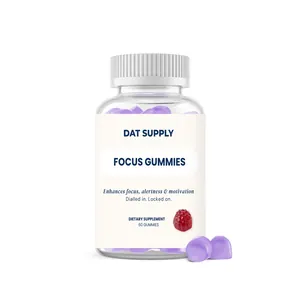
Focus Gummies
Focus Gummies is a white-label pectin-gummy supplement concept for brands building a sleep & mood range. Final positioning, claims and documentation are reviewed per project and target market.
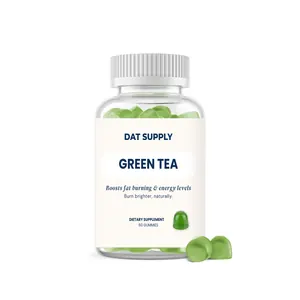
Green Tea Gummies
Green Tea Gummies is a white-label pectin-gummy supplement concept for brands building a digestive & gut range. Final positioning, claims and documentation are reviewed per project and target market.
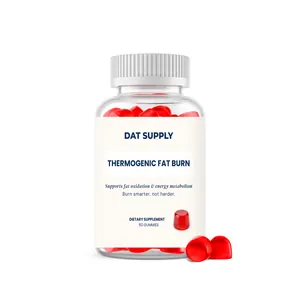
Thermogenic Fat Burn Gummies
Thermogenic Fat Burn Gummies is a white-label pectin-gummy supplement concept for brands building a energy & focus range. Final positioning, claims and documentation are reviewed per project and target market.
Synergies & conflicts
Pairs well with
Synergy data needs review.
Care when combining with
Conflict data needs review.
Similar ingredients
Ingredients that frequently sit alongside this one in private-label supplement briefs.
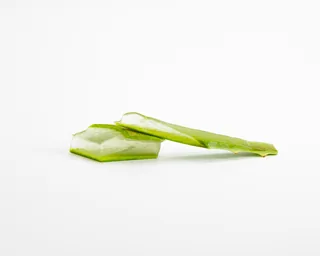
Aloe Vera
Aloe Vera (Aloe barbadensis) is a succulent plant whose inner gel is used in food supplements for its hydrating and soothing properties. As a botanical on the EU on-hold list, it carries no authorised health claims under Reg. 432/2012. Brands typically position it around general wellness, digestive comfort, and skin hydration, often co-formulated with Vitamin C or probiotics for claim support.
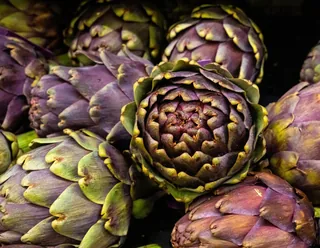
Artichoke
Artichoke (Cynara scolymus) is a botanical ingredient used in dietary supplements for its traditional association with digestive and liver function. It is one of the most familiar and commercially understood botanical actives across EU and US markets. As a botanical on the EU on-hold list, no authorised health claims are currently permitted under Reg. 432/2012.
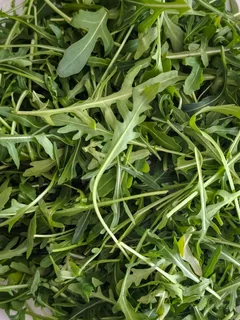
Arugula Extract
Arugula extract is a botanical ingredient derived from Eruca sativa leaves, used in gummy and sachet formats for green superfood and daily wellness positioning. It is a botanical on the EFSA on-hold list with no authorised health claims under Reg. (EU) 432/2012. Any claim coverage must come from co-formulated nutrients.
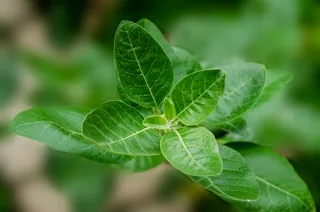
Ashwagandha
Ashwagandha (Withania somnifera) is a traditional Ayurvedic root used historically for stress, vitality, and sleep. In gummy formats it is most commonly positioned within stress-and-calm or sleep stacks. Ashwagandha sits on the EFSA "on-hold" list of botanical claims, with no authorised EU health claims of its own; substantiated claim wording in Ashwagandha gummies typically derives from co- formulated nutrients such as Magnesium and Vitamin B6.
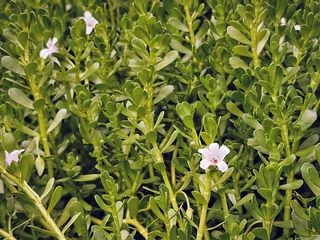
Bacopa Extract
Bacopa Extract (Bacopa monnieri) is a botanical ingredient traditionally used in Ayurvedic wellness systems. In private-label gummy manufacturing, it is positioned for cognitive support, memory, and stress resilience. Bacopa has no EFSA-authorised health claims under Reg. 432/2012; claim coverage for cognitive function relies on co-formulated nutrients such as Vitamin B6, B12, or Iron.
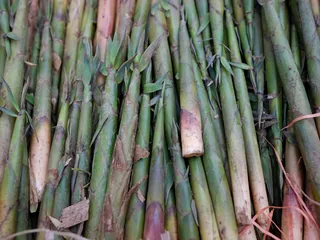
Bamboo Extract
Bamboo extract is a plant-derived ingredient standardised for silica content, sourced from Bambusa vulgaris. It is used in gummy and sachet formulations as a natural source of silicon, a mineral involved in connective tissue structure. Under EU Regulation 432/2012, bamboo extract carries no authorised health claims; brands typically co-formulate with Biotin, Zinc, or Vitamin C for hair, skin, and nails positioning.
Adjacent reading
Pairings, resource guides and blog notes most often associated with Camellia sinensis leaf extract on DAT Supply briefs.
Common pairings
Ingredients that frequently co-formulate with Camellia sinensis leaf extract.
Develop a formula featuring Camellia sinensis leaf extract
A ready white-label formula exists — open a product brief, or talk to our team to align the launch plan.